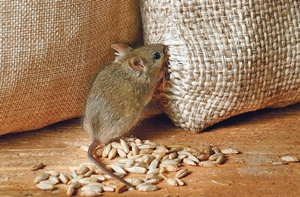
Rodents in North African agriculture: Ecological roles, economic impacts, and management strategies
Abstract
Invasive rodents pose a major threat to food security, public health, and the sustainability of agricultural systems. Their high adaptability, rapid reproduction, and opportunistic behavior make them formidable pests for crops and food stocks, particularly in semi-arid regions such as Morocco. Citrus species (Merione shawi and Gerbillus campestris) and commensal species (Rattus norvigecus, Rattus rattus, and Mus musculus) induces significant damages in the field, while anthropophilic rodents that have the ability to live also close to man settlements cause serious damage and contaminate stored product. The potential of damage of these species is generally linked to their biology, in particular a high reproductive potential and a reproduction cycle compatible with the agricultural cycle, which leads to outbreaks. This article presents a comprehensive overview of integrated rodent management strategies, encompassing preventive measures, physical control methods, chemical interventions, biological controls, and monitoring systems. Effective rodent management requires a multifaceted approach that combines cultural practices, habitat modification, and targeted control measures while minimizing environmental impact and ensuring human safety.
Keywords: Rodents, Rodenticides, IPM, Ecologically-Based Rodent Management
INTRODUCTION
Agriculture is currently facing a dual challenge: meeting the growing demand for food and reducing losses caused by biotic and abiotic factors. Among the most persistent threats to agricultural yields are pests, with rodents topping the list. According to Witmer (2022), damage caused by these animals can account for up to 30% of production losses in certain parts of the world. Their impact is particularly visible in regions with high agricultural diversity, such as in North Africa, where favorable ecological and climatic conditions enable their widespread proliferation.
North African rodents represent a highly diverse group of species, adapted to a wide variety of environments and ecological niches ranging from moderate Mediterranean conditions to extreme Saharan desert environments in arid regions, as well as agricultural and urban landscapes. Dominant species such as Meriones shawi, Gerbillus campestris, Psammomys obesus, and Mastomys erythroleucus are characterized by high reproductive rates, flexible diets, and remarkable environmental adaptability (Delany, 1986; karmaoui et al., 2022; Ndiaye et al., 2016). These species contribute to essential ecosystem processes including seed dispersal, soil bioturbation, and trophic energy transfer, while also serving as prey for raptors, snakes, and carnivorous mammals (Catterall, 2018; Delany, 1986; Potapov et al., 2022). Some species have become significant pests, creating challenges for agriculture, public health, and biodiversity (Capizzi et al., 2014).
Despite their ecological importance, rodents cause significant economic losses in North Africa through crop destruction, contamination of stored food supplies, and infrastructure damage. Their consumption of cereals and vegetables, particularly in irrigated areas, can lead to yield losses exceeding 15-30% during outbreak years (Assidi et al., 2025a; Ettiss et al., 2018; Fiedler, 1988; Mwanjabe et al., 2002). Species such as Shaw’s jird (Meriones shawi) and the Nile grass rat (Arvicanthis niloticus) are particularly notorious for devastating cereal crops (wheat, barley) and date palm plantations, thereby threatening food security (Hassan, 2021). Beyond agricultural damage, rodent species like Mastomys and Rattus spp. serve as vectors for zoonotic diseases including leishmaniasis, plague, and leptospirosis, creating public health concerns in both rural and urban environments (Blasdell et al., 2019; Dahmana et al., 2020; Islam et al., 2021; Rabiee et al., 2018).
Rodent management in North Africa has historically relied on chemical control using anticoagulant rodenticides, mechanical traps, and environmental sanitation, along with biological control (e.g., promoting natural predators) and cultural practices (crop rotation, field sanitation). However, over-reliance on chemical methods has led to resistance development in some rodent populations and unintended ecological consequences, including non-target poisoning and sustainability challenges (Brown et al., 2006; Jurišić et al., 2022a; Makundi and Massawe, 2011). More recently, Integrated Pest Management (IPM) approaches have been recommended, combining ecological monitoring, conservation of natural predators, and community awareness programs for sustainable rodent control. Nevertheless, these integrated strategies remain underutilized in many regions (Makundi and Massawe, 2011).
This review aims to synthesize current knowledge regarding the ecological roles, economic impacts, and management strategies of rodents in North Africa and Morocco. By examining scientific studies, field research, and public health data, it seeks to identify sustainable, context-appropriate approaches for rodent population control while acknowledging their ecological significance. A balanced perspective is crucial for developing policies that simultaneously safeguard agricultural productivity and ecosystem integrity.
Rodents are persistent harmful vertebrates that represent a major threat to agricultural crops, stored products, and infrastructure. Their destructive activity manifests not only through their feeding but also through the physical damage they inflict on surrounding structures (Bontzorlos et al., 2024; Witmer, 2022).
Almost all crops cultivated worldwide can be damaged by rodents, particularly cereals, vegetables, cotton, alfalfa, sugarcane, potatoes, fruit trees, and many others. Damage can occur at any stage of the plant life cycle. This can also happen at any time of year. Rodents will also modify their food preferences throughout the plant life cycle, focusing on planted seeds, then on germinating plants, and finally on mature plants and their seeds/fruits. Most rodents prefer succulent vegetation, but many turn to senescent vegetation or woody vegetation, including bark and roots, as the year progresses (Witmer, 2022).
Rodents cause immense damage to forests and plantations. Analysis shows that rodent damage amounts to approximately 5 to 15% in rice and wheat crops alone (Brown et al., 2006).
The types of damage induced by rodent includes:
• Direct feeding
• Gnawing bark of woody plants
• Consuming seeds in seedbeds
• Storing food resources in burrows
• Cutting tillers in cereal crops
• Food contamination caused by rodent waste
• Soil digging and excavation
RODENT DAMAGE TO MAJOR ECONOMICS CROPS
Cereal crops
The severity varies depending on the season, location, and ecosystem. Among cereal crops, rice is the most vulnerable to rodents. Rodents spare no variety and attack all stages of the crop during all seasons (Wondifraw et al., 2021) (Figure 1).
In Morocco, a study has shown that when there are 20 burrows in a cereal field, the estimated damage is around 1.5 quintals, and when the number of burrows reaches 200, the estimated loss is 50% (Zaime and Gautier, 1989).
In Australia, wild house mice (Mus musculus) periodically undergo epidemics, or “mouse plagues,” and cause significant damage to cereal crops (Singleton et al., 2004). The mouse plague that affected Victoria and South Australia in 1993/94 was conservatively estimated at 64.5 million Australian dollars (Caughley et al., 1998) and the annual cost is estimated at 20 million Australian dollars. These figures have not been updated despite the significant economic, social, and environmental impacts of mouse invasions, and current costs are likely much higher. Mouse infestations can be small and localized or can occur over vast areas and in different regions at different times (Singleton et al., 2004).
Wheat cultivation
Rodents, such as rats, can have a significant impact on wheat crops as mentioned by Munawar et al. (2022): when wheat ears ripen, rats feed at the base of the young shoot and completely bite through the stem, feeding on the grain.
In southern Australia, house mouse (Mus musculus) invasions can cause severe economic damage to cereal crops when their populations reach the maximum (Kaboodvandpour et al., 2010).
Mice damage crops by locating and unearthing newly sown seeds. If damage is significant, farmers must reseed their crops (Brown et al., 2007).
Maize cultivation
Everard’s team found that rodent damage affected all stages of maize growth and was greater in peripheral areas than in the center of the field. Stem debris, ear remains, and uprooted roots of the erect plant (Algendy, 2020).
Rodents can cause significant damage to maize crops. Here are some of these potential damages:
• Rodents cause an estimated 26% pre-harvest loss of annual maize production (Yonas et al., 2010).
• Rodent damage results in an estimated annual yield loss of 5-15% of maize, equivalent to approximately 45 million dollars, and food that could feed about 2 million people (Wondifraw et al., 2021).
• In some parts of South America, indigenous rodents cause crop damage ranging between 5 and 90% of total production (Swanepoel et al., 2017).
Sugar crops
Rodents can damage sugarcane and sugar beet from planting to harvest, and cause additional damage through contamination (Abdel-Aziz et al., 2017; Desoky et al., 2019).
Regarding sugarcane, in Egypt rat infestation reduced the solid content of juice from 12.4% to 11.6% in upper internodes and from 18.8% to 15.6% in lower internodes (Desoky et al., 2019). Sarwar et al. (2011) reported that the black rat (Rattus rattus) inflicted economic damage on sugarcane reaching up to 50% (Sarwar et al., 2011).
And for sugar beet, in Egypt, rodent damage was concentrated in the upper part of the root where the sugar content is high (Abdel-Aziz et al., 2017). In a study conducted by Abdel-Aziz et al (2017) during the 2005 and 2006 seasons, sugar beet losses from rats were approximately 47.3 to 39.3 kg, and 51.5 to 43.3 kg during each growing season respectively (Abdel-Aziz et al., 2017).
Rodent damage to date palm
Rodents can damage date palms by digging underground galleries that negatively affect irrigation systems (Figure 2, in the left) as well as date palm roots (Elshafie and Abdel-Banat, 2018).
Damage caused by the black rat to dates on bunches and in storage facilities is well documented (Elshafie and Abdel-Banat, 2018). The black rat becomes active during the date maturation phase, where it climbs date palms and voraciously feeds on dates. The black rat can completely strip date fruits from bunches, leaving them empty (figure 2, in the right). It can also inflict severe damage to inflorescences and immature fruits at all stages of their development (Elshafie and Abdel-Banat, 2018). It can also dig holes in the trunk of date palms, particularly in old palms, and make cavities to install its nests. It also damages dates during drying and storage. Date losses due to the black rat (Rattus rattus) are estimated at about 30% (SCOBIE et al., 2024). Furthermore, this rat can contaminate dates with its urine and feces. The galleries dug by the black rat in the trunk of date palms facilitate the entry of the red palm weevil, Rhynchophorus ferrugineus, and probably other opportunistic pest insects (Elshafie and Abdel-Banat, 2018).
The house mouse (Mus musculus) causes severe damage to dates, either in fields or in storage facilities (Brown et al., 2022; Sked et al., 2021).
Elshafie and Abdel-Banat (2018) reported that dates at the maturation stage can suffer damage from squirrels reaching 60-80% (Elshafie and Abdel-Banat, 2018). A small farm near Bhakhar (Pakistan) with 500 offshoots suffered 100% damage in one month (Pervez et al., 2015). Lathiya et al., (2010) studied the fecal pellets of the short-tailed rat, Nesokia indica, collected from infested date palm orchards in Pakistan. They concluded that dates constituted 40.2% of its diet content, while date palm stem represented 45.9% during the non-fruiting season. This rat is also present in India, Bangladesh, Iran, Iraq, Egypt, Syria, North Arabia, Chinese Turkestan, and southern Russian Turkestan (Haldhar et al., 2022; Hammami et al., 2024).
Several rodent species have been reported in the date palm agroecosystem (Table 1).
IDENTIFICATION OF RODENT SPECIES FOUND IN MOROCCO
Morocco is home to 32 rodent species, some of which are known to be endemic, threatened, or rare, while others are considered pests to human activities. The main pest species are divided into two categories: anthropophilic species (Mus musculus, Rattus rattus, Rattus norvegicus) and crop-damaging species (Meriones shawi, Gerbillus campestris). The latter can cause significant damage to agriculture, a crucial economic sector of the country. Severe damage is caused by Shaw’s jird (Meriones shawii) which prefers cereal crops, and the field gerbil (Gerbillus campestris) which mainly attacks peanut crops. From a health perspective, many viral, bacterial, and parasitic diseases are transmitted to humans and animals by rodents (Assidi et al., 2025a). It mainly cites the case of cutaneous leishmaniasis caused by Leishmania major and leptospirosis, whose reservoir is Shaw’s jird, which poses a serious public health problem especially in rural areas.
According to the results obtained by (Capizzi et al., 2014), the most important harmful rodent species are: Rattus rattus, Rattus norvegicus, and Mus musculus, which are characterized by their significant impacts, generalist nature, and vast geographic distribution.
Crop-Damaging Species
Shaw’s Jird: Meriones shawii
Shaw’s Jird or Shaw’s Gerbil (Meriones shawi), is a small rodent belonging to the genus Meriones. It is commonly found in Morocco, Algeria, Tunisia, Libya, and Egypt. This species sometimes has prolific phases that pose challenges to local agricultural organizations for their adequate and effective management (Karmaoui et al., 2022).
Biology
Shaw’s Jird is the largest species of its genus. It frequents relatively humid habitats and is similar in size to a rat, with thick medium-sized fur, partially hairy plantar soles (bare near the heel), clear claws, and a relatively short tail, the same color as the back (lighter on the sides) and ending with a small blackish tuft. Its dorsal coat is soft, ranging from fawn to gray speckled with brown. It also has whitish fur behind the ear as well as gray fur above and below each eye. The ears have a pigmented tip (Aulagnier and Thevénot, 1986).
Jird activity is diurnal or nocturnal during cold and twilight periods, but becomes essentially nocturnal during hot periods. Its proliferation occurs after a good agricultural year characterized by heavy precipitation between November and April. The breeding phase begins at the end of winter and reaches its maximum in spring. However, in Morocco, Ouzaouit (2000) observes that the reproduction of Meriones shawi begins in December and ends in July (Karmaoui et al., 2022). The seasonal reproductive cycles of M. shawi have been studied in Morocco by Zaime (1985) and Zaime and Gautier (1989) (Table 2), suggesting that they begin with the lengthening of daylight hours, higher temperatures, and increased food resource availability; they end in autumn following a similar decrease in these environmental factors (Hubert, 1984).
The gestation period extends for a duration of 24 to 26 days and results in five to six litters per year, each comprising between seven and fourteen young. Weaning of young occurs after three weeks, when they reach an average weight of 18 grams. At birth, the average weight of young is about 3 grams (Aulagnier, 1992).
Ecology
The Jird’s diet is mainly herbivorous, but it can occasionally be supplemented by consuming some insects and larvae. In its natural habitat, this species feeds mainly on seeds, flowers, leaves, and fruits of dicotyledons for 56.7% of its food intake and grasses for 35.5% (Belabbas et al., 1994). However, in cultivated environments, it adopts a granivorous diet by frequently attacking cereals, particularly during the germination stage according to Adamou-Djerbaoui et al. (2013).
Methods for studying rodent diets can include various approaches such as direct or indirect observations of damage to plants. These methods are poorly attributed to the species and do not allow quantification of the diet (Ali and Kravitz, 2018). The study also mentions the identification of remains contained in the digestive tract of insectivorous mammals, and the method of studying plant fragments found in feces or stomach contents. The latter method is retained for the study of Meriones shawi’s diet.
Rodents live in all kinds of environments on earth. The majority of rodents are terrestrial and dig tunnels where they live and reproduce. These tunnels vary in depth and complexity depending on soil conditions and rodent species (Adamou-Djerbaoui et al., 2013).
A burrow can host a single male or female individual, and corresponds in depth to the inhabited part of many other more extensive burrows. Generally, it is equipped with a chamber containing dried hay (Rekouti et al., 2023). The end is often in a dead end and located at a lower depth (20 to 30 cm). Burrows allow the storage of food reserves in chambers provided for this purpose. They protect these stocks from predators while promoting the raising of young in good conditions (Palaoro et al., 2013).
Soil and vegetation provide food and shelter for micromammals. However, the population dynamics of these animals cannot be entirely explained by the presence of vegetation alone. Nevertheless, the quantity and quality of nutritional resources could play a significant role in the interactions between micro-mammals and their plant environment (Torre and Balčiauskas, 2023). Food availability in turn influences the growth rate and survival of rodents.
Human interventions, essentially agricultural, can have a considerable impact on micro-mammal populations by modifying their habitat (Gentili et al., 2014).
Soil composition has an impact on the abundance and local distribution of Meriones shawi. According to Adamou-Djerbaoui et al. (2013), areas poor in active limestone, rich in sand and total limestone attract a denser population of Jirds. However, soils containing a lot of wet clay (16% to 19%) are less conducive to burrowing.
North African gerbil: Gerbillus campestris
The North African Gerbil (Figure 3), also known as the field gerbil or field mouse gerbil, is a small mammal belonging to the family Muridae. It is a long-tailed gerbil, medium-sized, with bare hind legs, which lives throughout the Mediterranean part of North Africa, from Egypt, west of the Nile River and delta, to Morocco, in the west. It is also present, but less widely distributed, in the Sahara Desert and the Sahel region, in Sudan, Niger, and Mali. In some regions such as Morocco, it is considered harmful to agriculture (Bouarakia et al., 2019).
Biology
The gerbil is characterized by a body with no marked distinction between the head and trunk, thus recalling the morphology of a mouse. Its coat is shiny, silky, and clean, with an agouti color, oscillating between orange and gray, although other variations exist, such as a single-colored or gloved coat. Its head is elongated and triangular, while its eyes, ranging from black to ruby, offer a 360-degree angle of vision, allowing it to perceive what is happening behind it. However, it poorly distinguishes details, especially in broad daylight, but sees particularly well at night. Its ears are hairy, round, and relatively small, and its tail measures between 10 and 12 centimeters. The gerbil is neither strictly nocturnal nor diurnal, presenting sleep phases that can extend up to five hours, alternating between wakefulness and rest. It is a very sociable and gregarious rodent, with low tolerance for solitude (Bouarakia et al., 2019).
Sexual maturity of the gerbil is 2 months for females, 3 for males. The gerbil can have up to 8 litters in a year, since the duration of gestation is 4 weeks on average. Each litter can cause the appearance of up to 10 pups at most, even if the average is around 4 to 8. During gestation, parents build a nest where, subsequently, the mother will raise her young. The pups are born naked and blind, like many rodents, and weigh only 3 grams. The mother and babies must be left alone during the first weeks. Weaning only occurs from the 4th week, but it is necessary to wait until the 8th week to truly separate them (Zaime, 1985).
Ecology
It is an omnivorous rodent, however the gerbil has a rather short digestive tract, which prevents it from eating in large quantities. It must have sufficiently energy-rich daily rations to respond to constant activity. Its diet consists essentially of proteins (20%) from animal and plant sources. These proteins must have sufficient amino acids. Furthermore, gerbil foods must also have sufficient carbohydrates (dietary fiber), sugars, and starch to promote better intestinal transit (Zaime, 1985).
The perfect food will be rather rich in starch and low in fiber. Finally, about 12% lipids must be ingested daily. Thus, its diet is essentially based on pellets sold in specialty stores, cereal seeds, alfalfa pellets. Some fruits and vegetables are well tolerated by the Gerbil and offer a very good supplement. However, care must be taken to introduce them slowly and in small quantities, at the risk of diarrhea (Zaime, 1985).
It is a coprophagous rodent. Thus, it eats feces, sources of B vitamins. Dried coconut, dried apples, and hamster biscuits are considered treats. Garlic, avocado, lemon, rhubarb, soy, and sage are to be avoided, as they are toxic and dangerous for the gerbil’s health (Zaime and Gautier, 1989).
The species lives in different habitats, from sub-humid regions to arid and desert regions, with the exception of high mountains, forests, and sandy desert areas. It occupies steppes, arable lands, rocky habitats, and oases, and digs its burrow in sandy or clayey soils (Bouarakia et al., 2019).
Brown rat: Rattus norvegicus
The Norway rat, the sewer rat or brown rat (Rattus norvegicus), is a species of rodents of the family Muridae. These rats measure about 400 mm from nose to tail and weigh from 140 to 500 g. Generally, males are larger than females. In natural populations, these rats are covered with thick brownish fur (sometimes spotted with black or white hairs) on the dorsal surface, which generally lightens to take on a gray or fawn (brown) color near the underside. The tail and ears are bare (Elshafie and Abdel-Banat, 2018).
Biology
Mainly nocturnal or active at twilight, brown rats dig burrows, search for food, and prepare nests during these hours. These rats often choose to live in areas near water. They are excellent swimmers and are often called “water rats” (Elshafie and Abdel-Banat, 2018).
Food-seeking behaviors can lead rats to make long nocturnal excursions to areas known to be rich in food resources, following learned routes. Brown rats have a great learning capacity. They are able to remember their way in complex networks of sewers and burrows. Their learning capacity has been studied in depth by psychologists (Aivelo et al., 2025).
The mating system of the brown rat is described as polyandrous. Brown rats, which are social animals, tend to reproduce in large groups. A female can mate up to five hundred times with competing males during her six-hour estrus period (Le Moëne and Snoeren, 2018).
Although it is not technically a seasonal breeder, mating is more important during the warmer months of the year. A female can give birth about seven times a year on average. Nearly 18 hours after giving birth, females have a postpartum estrus and mate again. The enormous birth rate of brown rats is due to this reproductive function, which can reach 60 young per year per female. A litter of about 8 young is born after a short gestation period of 22 to 24 days. Newborns are very small and in very poor condition. Eyes open between 14 and 17 days. On average, at birth they weigh 5 grams and receive milk until weaning, at 3 or 4 weeks, and the young then leave the nest (Le Moëne and Snoeren, 2018; Little, 2012).
Ecology
The brown rat is an opportunistic omnivore. It feeds on whatever it manages to steal from other animals. A rat eats and drinks daily the equivalent of 10% of its weight. The food preferences of the brown rat are close to those of the cat, as it prefers meat to fruits and cereals, although depending on circumstances it may consume only cereals. Food availability influences what is consumed by rats. In urban environments, the rat feeds mainly on domestic waste and food reserves, while in rural environments, it feeds mainly on stored harvests and sometimes animal matter. The brown rat consumes 15 to 25 g of food per day, which corresponds to 6 to 9 kg per year (Subias-Gusils et al., 2021).
The brown rat is extremely cautious when it discovers any new food. It can sometimes wait several days before tasting a food it does not recognize, and it may then consume only a small quantity to evaluate the effects of this unknown food. Experiments show that the rat has the capacity to learn to associate tastes with consequences linked to them, even when they manifest several hours after ingestion (Elshafie and Abdel-Banat, 2018).
The brown rat is abundant in cities and in rural settlements, rat populations sometimes disperse in summer to surrounding fields, but most individuals return to shelter in buildings during winter (Elshafie and Abdel-Banat, 2018). It essentially lives in humid places for which it has a predilection; it digs burrows and galleries in building basements and near dwellings, and frequents sewers. The brown rat prefers to stay near the ground. It lines its nest with plant debris and other recovery elements. Nest security is guaranteed by the arrangement of several exits to allow the rat easier escape. The rat lives mainly in cities, but it can also live in forests or in agricultural areas (Elshafie and Abdel-Banat, 2018).
Black rat: Rattus rattus
The black rat, roof rat or field rat (Rattus rattus), is a medium-sized rat with fairly large ears and a tail almost always longer than the body. The mass of individuals varies from 70 to 300 g and their length for the head and body is 16 to 22 cm, with a tail of 19 cm or more. Males are longer and heavier than females. Many members of the species are black with a paler belly. The species is often divided into subspecies based on color patterns which can be a mixture of black, white, gray, and agouti (brown) (Chellappan, 2021).
The skull and nasal bones are relatively narrow. One of the main means of differentiating R. rattus from R. norvegicus is that R. rattus has finer hair coverage, a clearer skull, and a slightly differently shaped first upper molar (Chellappan, 2021).
The lifespan of the black rat in nature is about one year, with an annual mortality rate of 91 to 97%. It has been reported that it could live up to 4 years in captivity (Banks and Hughes, 2012).
Biology
There are often several males and several females in R. rattus social groups. One male is dominant and a linear hierarchy of males may form. All other group members are often dominated by two or three females, with the exception of the dominant male. Generally, females are more aggressive than males. The species is polygynous and the dominant male is generally the one that reproduces best. Aggressive behavior is observed to defend territories and partners. Reproduction can occur throughout the year if environmental conditions permit (Chellappan, 2021).
The black rat can reproduce throughout the year if conditions permit. Summer and autumn are the most intense reproduction periods. Females can have up to 5 litters in a year. The gestation period varies between 21 to 29 days and young rats can reproduce within 3 to 5 months following their birth. Newborns are altricial, like most rodents, and their eyes do not open before 15 days. For most of the nursing period, young are hairless. Weaning and independence from the mother occur around 3 to 4 weeks of age (Chellappan, 2021).
Ecology
Generally, the black rat feeds on fruits, grains, cereals, and other plants. However, it feeds on insects or other invertebrates if necessary. It consumes about 15 g of food per day and 15 ml of water per day. As it consumes and destroys the food source while feeding, it can cause devastating damage to farms and livestock (Chellappan, 2021).
It is found in all regions that can support its mainly vegetarian diet. Being an agile climber, R. rattus generally inhabits elevated places, such as upper floors of buildings in inhabited areas or trees in forest areas. Although it can be found near water, this species does not have the habit of swimming and, unlike its close relatives, it rarely inhabits sewers or aquatic areas. It has been demonstrated that R. rattus can reach up to 250 meters above sea level (Chellappan, 2021).
House mouse: Mus musculus
The house mouse, or gray mouse (Mus musculus) has a length of 65 to 95 mm from the tip of the nose to the end of the body and a tail length of 60 to 105 mm. Its fur varies from light brown to black, and their belly is usually white or fawn (degree of brown). They have long, sparsely furred tails, with rows of circular scales (annulations). House mice tend to have a longer tail and darker fur when living in close collaboration with humans. Their weight varies from 12 to 30 g (Elshafie and Abdel-Banat, 2018).
Biology
House mice are generally nocturnal, although some are active during the day in human dwellings. House mice run fast (up to 12 kilometers per hour), climb well, jump, and swim well. Despite this, they rarely move more than 15 meters from their home (Sked et al., 2021).
The house mouse reproduces throughout the year. Sexual maturity is reached around five to six weeks of age: 45 days for males and 40 to 45 days for females. The frequency of matings can reach up to eight per day, especially in young mice. This species is nidicolous. A female can give birth to 5 to 15 litters per year. Gestation lasts 18 to 21 days, with generally between 5 and 12 young per litter, reaching up to 18. A new gestation can begin every six weeks. Young are born naked and blind, remaining in the nest and feeding on mother’s milk for about three weeks, until weaning. In the absence of predation, the common mouse has a life expectancy of 1 to 3 years (Bronson, 1979; Brust et al., 2015).
Ecology
In nature, house mice eat many types of vegetation, such as seeds, fleshy roots, leaves, and stems. Insects (beetle larvae, caterpillars, and cockroaches) and meat (carrion) can be consumed when available. In human dwellings, Mus musculus consumes any accessible human food as well as glue, soap, and other household products. Many mice store their food or live in a human food warehouse (Elshafie and Abdel-Banat, 2018).
House mice are generally commensal and are found in a very wide range of artificial habitats, including houses, agricultural warehouses, and other types of buildings. It is sometimes feral in areas where it has been introduced, and in some parts of its original range, it maintains wild populations in outdoor habitats such as arable lands, pastures, coastal sand dunes, salt marshes, and scrubby roadsides (Bronson, 1979; Pocock et al., 2004). House mice tend not to be found in forests and deserts.
RODENT MANAGEMENT METHODS IN NORTH AFRICA
The need to regulate rodent populations is a growing function, particularly in view of ecosystem preservation and public health protection. Unlike other areas of pest control (for example, that relating to insects), rodent control poses new challenges for which innovative solutions must be found; current strategies and methods are insufficient to address emerging consequences (Capizzi et al., 2014).
The need to combat a rodent species is greater when it is not indigenous to a territory than in its original natural habitat. The impact of a pest animal species in its initial geographic area constitutes a reliable indicator of the incidence it could have following introduction into other areas (Capizzi et al., 2014).
When introduced outside their natural range, many rodents such as rats, mice, squirrels, and coypus can have a detrimental impact on native species and ecosystems, requiring the implementation of control or eradication programs (Capizzi et al., 2014).
The richness and diversity of pest rodent species and their impacts have led, over the centuries, to an extreme diversification of control techniques and devices. Attempts to trap, repel, and poison rodents have taken place over the centuries: for example, the use of natural poisons (mainly based on hellebore, black henbane, hemlock, and wild cucumber) to kill rats and mice around houses and granaries was recommended in ancient Greece and Rome (Assidi et al., 2025; Yonas et al., 2010). Moreover, the comparaison of different rodent control methods based on their relative importance in terms of use (contents) and perceived impacts were classified as follows (Capizzi et al., 2014):
• Poisons were ranked as the most prominent control method showing the highest combined ranking score. They also exhibited high average and maximum percentages for both use and impact indicating their dominant role in rodent management;
• Traps ranked second with moderate average use but relatively high maximum values suggesting variable but significant application across contexts;
• Habitat management and damage management occupied intermediate positions, reflecting moderate levels of adoption and perceived effectiveness;
• Less frequently used approaches included barriers, repellents, and hunting, which showed lower average percentages and weaker overall rankings;
• The lowest-ranked strategies were predators and parasites, fertility control, intervention on ectoparasites/pathogens, and especially fumigants and explosives, which recorded minimal average use and impact values, indicating limited implementation or effectiveness.
The fight against harmful rodents has long been dominated by fast-acting chemical solutions. However, the growing limitations of this approach particularly the development of resistance, ecotoxic impacts, and health risks related to chemical residues have led to the emergence of integrated management based on a combination of several methods. These include monitoring, mechanical techniques, biological control, the use of repellent or toxic plants, and, finally, the rational use of rodenticides. Each strategy has its advantages and constraints, but it is their coordinated integration that ensures long-term effectiveness.
Monitoring and population tracking
The first step in any effective control strategy lies in rigorous monitoring of rodent populations. This surveillance makes it possible to assess the extent of infestation, identify the species present, and determine critical times and areas for intervention. Several methods are used for this purpose. Counting active burrows is commonly practiced in agricultural environments, especially in areas infested by Meriones shawii or Gerbillus campestris (Adamou-Djerbaoui et al., 2013; Adamou-Djerbaouiz et al., 2010). Standardized trapping indices (mark-recapture techniques) are also used to estimate the relative abundance of individuals. In addition, modern techniques include the use of infrared cameras or UV light to detect urine traces left by rodents.
Simple but effective tools such as tracking tunnels equipped with impression plates can be used to identify species via their footprints. Similarly, chew cards coated with food attractants are used to estimate gnawing activity, particularly in commensal rodents such as Rattus norvegicus (Yiu et al., 2025). These monitoring techniques not only help with initial diagnosis but also in assessing the effectiveness of implemented control methods, and must be integrated into a systematic management approach.
Mechanical and physical methods
Mechanical and physical methods offer interesting non-chemical alternatives, particularly in sensitive environments or organic farming areas. Trapping is an old technique but still a relevant one. A distinction is made between lethal trapping—using spring traps, electric traps, or glue traps and live trapping, which allows animals to be captured without killing them, either for release or scientific study. Mechanical trapping is particularly useful for controlling small, localized rodent populations, especially in homes or food storage areas.
Physical barriers such as fine-mesh wire, metal sheets, or rodent-proof grating are also effective for protecting crops and storage facilities. In horticulture, anti-climb collars installed on fruit tree trunks can prevent rodents from accessing the canopy. In storage systems, using rodent-resistant materials for bags, silos, and structures is essential to limit intrusion (Kimambo and Sembosi, 2012).
Biological control
Biological control against rodents involves the use of natural agents to regulate pest populations. Among the most effective natural predators are nocturnal birds of prey, such as owls, which can consume several hundred rodents each year. Snakes, foxes, and some mustelids also play an important role in ecosystems where they are present in sufficient numbers (G. R. Singleton et al., 2004). Their conservation—particularly through the installation of raptor nesting boxes in agricultural zones—is an ecological strategy for preventive control.
In addition, A promising, yet still experimental, approach is immuno-contraception, which aims to render individuals sterile by administering antigens that alter hormonal or reproductive responses. These methods have the advantage of limiting births without direct mortality, but their real-world application still requires large-scale validation (Jurišić et al., 2022b).
Use of repellent and toxic plants
Using plants with repellent or toxic properties provides a botanical alternative to chemical products. Some plants, such as peppermint (Mentha piperita), castor bean (Ricinus communis), or spurge (Euphorbia spp.), release volatile compounds capable of repelling rodents. Other species, like jimsonweed (Datura stramonium), monkshood (Aconitum napellus), or wild tobacco (Nicotiana glauca), contain toxic alkaloids that can cause rodent death upon ingestion (Corzo-Gómez et al., 2024).
These plants can be used in the form of sprayed decoctions, brushwood placed around crops, or even integrated into agroforestry systems. However, their effectiveness is often partial and highly dependent on local conditions, infestation density, and the feeding behavior of the target species. Therefore, they are generally considered complementary measures within an integrated pest management program (Corzo-Gómez et al., 2024).
Chemical control
Chemical methods have been widely employed by both agricultural sectors and public authorities for a long time. The management of rodent damage and population outbreaks has traditionally relied heavily on the use of rodenticides. These substances are commonly applied to mitigate the negative impacts of rodents on agriculture and to limit the transmission of zoonotic diseases. While rodenticides can be effective in reducing rodent populations, their use raises multiple concerns related to safety, environmental impact, and non-target species exposure (Assidi et al., 2025).
The classification of rodenticides is primarily based on their mode of action and speed of effectiveness. They are generally divided into two main categories : chronic rodenticides, which are slow-acting anticoagulants, and acute rodenticides, which act rapidly to cause death after a single dose.
Integrated and environmentally based rodent management
The most modern and sustainable vision of pest management is that of Integrated Management (IPM) (table 8), which, when applied to rodents with restriction in the use of chemical rodenticides, is called Environmentally Based Rodent Management (EBRM). This approach does not aim at eradication, but at keeping pest populations below a threshold of economic harm, by synergistically combining several methods (Balduque et al., 2021; FAO, 2024). The RMBS relies on a thorough knowledge of the pest’s biology and ecology to manipulate the environment in ways that make it less favourable to its proliferation (Assidi et al., 2025b; Manios and Kamilaris, 2023).
The success of the transition to EBRM critically depends on the human: the Knowledge, Attitudes and Practices (KAP) of farmers. Surveys conducted in Morocco are clear: younger, more educated, and more experienced farmers are significantly more open to adopting environmentally friendly management practices, while others remain committed to traditional chemical methods (Assidi et al., 2025b). This underlines the imperative to set up training, awareness-raising and demonstration programs adapted to the different profiles of farmers to support this paradigm shift.
Research gaps and perspectives
This review of the scientific literature highlights the complex and multidimensional threat posed by Meriones shawi and Gerbillus campestris to the agricultural sector in Morocco. These two species of gerbillids, endowed with remarkable adaptive plasticity and high reproductive potential, are perfectly integrated into Moroccan agroecosystems, whose resources they exploit opportunistically. Their biology is closely synchronized with the agricultural calendar, maximizing their impact on key crops like cereals and groundnuts. The consequences of their outbreaks far exceed direct yield losses, generating significant hidden economic costs and posing proven health risks, particularly through the transmission of cutaneous leishmaniasis.
The analysis of management strategies reveals a critical transition. Chemical control, a conventional and still widely practiced method, is showing signs of exhaustion and ineffectiveness, in addition to its negative externalities on the environment and health. At the same time, ecological alternatives, based on biological control through the conservation of natural predators and integrated management (EBRM), are emerging as solutions for the future. However, their implementation comes up against obstacles related to farmers’ knowledge, attitudes and practices, rather than technical, but socio-cultural. The success of these new approaches will depend on the ability of research, development and extension actors to build participatory strategies adapted to the local context.
Despite a growing body of knowledge, several important gaps remain and require special attention from the scientific community.
On the economic level: There is a severe lack of recent and comprehensive studies to assess the total economic impact of rodent pests in Morocco. Current estimates focus on direct yield losses and are often piecemeal or old. A rigorous economic analysis, integrating indirect costs (control, infrastructure, health) and specific to each sector (in particular groundnuts for G. campestris), is essential to measure the real extent of the problem and justify investments in prevention.
Ecologically: The impact of climate change on the distribution, reproductive phenology and population dynamics of these rodents remains very little studied. Understanding how more frequent droughts or milder winters could affect their proliferation potential is a major challenge. Similarly, the competitive interactions between M. shawi and G. campestris in areas where their ranges overlap are poorly understood and could have implications for their respective population dynamics.
In terms of management: Biological control projects through the installation of nesting boxes are promising, but there are no long-term monitoring studies in Morocco to assess their real effectiveness on rodent densities and crop damage. In addition, research into non-chemical alternatives, such as the identification and evaluation of local plants with rodenticidal potential to develop bio-pesticides, remains embryonic despite the interest shown by farmers in such solutions
To meet the challenge posed by rodent pests in a sustainable way, the future directions of research and public action should be based on the following axes:
• Promote interdisciplinary research: It is imperative to move beyond siloed approaches. Research projects integrating population ecology, agronomy, economics and social sciences (KAP studies) should be encouraged to develop management models (MBMAs) that are scientifically robust, economically viable and socially acceptable.
• Strengthen agricultural training and extension: Bridging the gap between scientific knowledge and practice on the ground is a priority. This requires the development of targeted training and awareness-raising programmes, tailored to different farmer profiles, and using participatory and demonstration methods to prove the effectiveness and cost-effectiveness of sustainable management practices.
• Setting up an epidemiological surveillance network: The creation of a national or regional surveillance network to monitor rodent population dynamics and associated damage would make it possible to move from a logic of curative control to a preventive approach. Such an early warning system would facilitate rapid and targeted interventions before outbreaks reach catastrophic levels.
• Investing in the valuation of ecosystem services: To justify and sustain investments in biological control and biodiversity conservation, it is necessary to economically quantify the services provided by ecosystems, including the regulatory service provided by natural predators. Demonstrating the monetary value of predation can be a powerful argument for encouraging conservation policies and the adoption of agricultural practices that are favourable to auxiliary wildlife.
CONCLUSION
The management of rodent pests in North Africa and world wild must evolve independently of chemical control, which is limited in effectiveness and has many negative impacts. The orientation towards Environmentally Sound Rodent Management (EBRM) is necessary for a sustainable solution, combining several methods in a different way. The success of this transition is based on several axes: altering research gaps by conducting a comprehensive economic assessment of the impacts and studying the effects of climate change on rodent populations, strengthening agricultural training to evolve farmers’ knowledge, attitudes and practices (KAP) towards more sustainable management methods, To set up a preventive monitoring network to anticipate outbreaks instead of simply reacting to them and to promote biological control by evaluating the real effectiveness of predator conservation projects and quantifying the economic value of this ecosystem service. The development of a management strategy that is scientifically robust, economically viable and socially acceptable is imperative to secure Moroccan agricultural production in the face of this persistent threat.
REFERENCES
Abdel-Aziz N., Al-Gendy A.A.R., Baghdadi S.A.S., Elrawy A.A.A. (2017). Evaluation of damage caused by some species of rodents on sugar cane and sugar beet. Journal of Phytopathology and Disease Management, 95-101.
Adamou-Djerbaoui M., Denys C., Chaba H., Seid M.M., Djelaila Y., Labdelli F. (2013). Étude du régime alimentaire d’un rongeur nuisible (Meriones shawii Duvernoy, 1842, Mammalia, Rodentia) en Algérie. Lebanese Science Journal, 14: 15-32.
Adamou-Djerbaouiz M., Djelaila Y., Sofiane Adamou M., Baziz B., Nicolas V., Denys C. (2010). Préférence édaphique et pullulation chez Meriones shawii (Mammalia, Rodentia) dans la région de Tiaret (Algérie). Revue d’Écologie (La Terre et La Vie), 65: 63‑72.
Aivelo T., Tornikoski T., Pentikäinen S., Suonpää J., Vitikainen E. (2025). Prosocial behaviour is common and aggressive behaviour rare in free-living, brown rats in camera trap material. Mammalian Biology, 105: 721‑732.
Algendy A.A.R. (2020). Losses caused by rodents to economic field crops and fruit trees. Faculty of Agriculture, Al-Azhar University. 42 p.
Ali M.A., Kravitz A.V. (2018). Challenges in quantifying food intake in rodents. Brain Research, 1693: 188‑191.
Assidi M., El Hajjaji S., Laasli S.-E., Akki R., Iraqi D., Khayi S., Lahlali R., Dababat A.A., Daliakopoulos I., Mokrini F. (2025a). Farmers’ perception, knowledge, and control attitudes of rodents infesting cereal growing areas in Morocco. Pest Management Science, 81: 678‑688.
Assidi M., El Hajjaji S., Laasli S.-E., Akki R., Iraqi D., Khayi S., Lahlali R., Dababat A.A., Daliakopoulos I., Mokrini F. (2025b). Farmers’ perception, knowledge, and control attitudes of rodents infesting cereal growing areas in Morocco. Pest Management Science, 81: 678‑688.
Aulagnier S. (1992). Zoogéographie des mammifères du Maroc: De l’analyse spécifique à la typologie de peuplement à l’échelle régionale. Thèse de Doctorat, Montpellier 2.
Aulagnier S., Thevénot M. (1986). Catalogue des Mammifères sauvages du Maroc. https://www.researchgate.net/publication/39846388_Catalogue_des_Mammiferes_sauvages_du_Maroc
Balduque J. (2021). Integrated pest management in the Mediterranean. CIHEAM Zaragoza. https://www.iamz.ciheam.org/agendas/the-importance-of-integrated-pest-management-in-the-mediterranean-the-role-of-ciheam/
Banks P.B., Hughes N.K. (2012). A review of the evidence for potential impacts of black rats (Rattus rattus) on wildlife and humans in Australia. Wildlife Research, 39: 78‑88.
Benali Wahid B.A., Fatiha L., Benchohra M., Malika A.-D., Belgacem N. (2021). Strategy efficiency to control Meriones shawi (Duvernoy, 1842) (Rodentia Gerbillinae) infestation in Tiaret region during the period (2015–2020), Algeria. Biodiversity Journal, 12: 805‑810.
Benazzou T., Zyadi F., Benazzou T., Zyadi F. (1990). Présence d'une variabilité biométrique chez Gerbillus campestris au Maroc (Rongeurs, Gerbillidés). Mammalia, 54: 271-279.
Blasdell K.R., Morand S., Perera D., Firth C. (2019). Association of rodent-borne Leptospira spp. with urban environments in Malaysian Borneo. PLoS Neglected Tropical Diseases, 13: e0007141.
Blumstein D. T. (2018). Handbook of the Mammals of the World. Volume 7: Rodents II.
Bontzorlos V., Cain S., Leshem Y., Spiegel O., Motro Y., Bloch I., Roulin A. (2024). Barn owls as a Nature-Based solution for pest control: A multinational initiative around the Mediterranean and other regions. Conservation, 4: 627-656.
Bouarakia O., Benhoussa A., Lalis A., Benazzou T., Bonillo C., Denys C. (2021). First genetic identification of Sundevall’s jird Meriones crassus (Rodentia, Muridae) in Morocco and the hypothesis of range extension. Arxius de Miscel\timeslània Zoològica, 19: 83‑98.
Bouarakia O., Denys C., Nicolas V., Benazzou T., Benhoussa A. (2019). Biogeographic history of Gerbillus campestris (Rodentia, Muridae) in Morocco as revealed by morphometric and genetic data. Bonn zoological Bulletin, 68: 97–124.
Bronson F.H. (1979). The reproductive ecology of the house mouse. The Quarterly Review of Biology, 54: 265‑299.
Brown P.R., Henry S., Pech R.P., Cruz J., Hinds L.A., Weyer N.V. de, Caley P., Ruscoe W.A. (2022). It’s a trap: Effective methods for monitoring house mouse populations in grain-growing regions of south-eastern Australia. Wildlife Research, 49: 347‑359.
Brown P.R., Huth N.I., Banks P.B., Singleton G.R. (2007). Relationship between abundance of rodents and damage to agricultural crops. Agriculture, Ecosystems and Environment, 120: 405‑415.
Brown P.R., Tuan N.P., Singleton G.R., Ha P.T.T., Hoa P.T., Hue D.T., Tan T.Q., Tuat N.V., Jacob J., Müller W.J. (2006). Ecologically based management of rodents in the real world: Applied to a Mixed Agroecosystem in Vietnam. Ecological Applications, 16: 2000‑2010.
Brust V., Schindler P.M., Lewejohann L. (2015). Lifetime development of behavioural phenotype in the house mouse (Mus musculus). Frontiers in Zoology, 12: S17.
Capizzi D., Bertolino S., Mortelliti A. (2014). Rating the rat: Global patterns and research priorities in impacts and management of rodent pests. Mammal Review, 44: 148‑162.
Catterall C.P. (2018). Fauna as passengers and drivers in vegetation restoration: A synthesis of processes and evidence. Ecological Management and Restoration, 19: 54‑62.
Caughley J., Donkin C., Strong K. (1998). Managing mouse plagues in rural Australia. Proceedings of the Vertebrate Pest Conference, 18.
Chellappan M. (2021). Rodents. In Omkar (Éd.), Polyphagous Pests of Crops (p. 457‑532). Springer Singapore.
Corzo-Gómez J.C., Espinosa-Juárez J.V., Ovando-Zambrano J.C., Briones-Aranda A., Cruz-Salomón A., Esquinca-Avilés H.A. (2024). A review of botanical extracts with repellent and insecticidal activity and their suitability for managing mosquito-borne disease risk in Mexico. Pathogens, 13: 737.
Dahmana H., Granjon L., Diagne C., Davoust B., Fenollar F., Mediannikov O. (2020). Rodents as hosts of pathogens and related zoonotic disease risk. Pathogens, 9: 202.
Delany M.J. (1986). Ecology of small rodents in Africa. Mammal Review, 16: 1‑41.
Desoky A.S.S., Abazaid A.A., Ali M.M.K. (2019). Damage caused by rodents to sugar cane varieties and juice quality in Sohag Governorate. International Journal of Research Studies in Zoology, 5: 22-25.
Elshafie H., Abdel-Banat B. (2018). Non-arthropod pests of date palm and their management. CAB Reviews: Perspectives in Agriculture, Veterinary Science, Nutrition and Natural Resources, 1-13.
Ettiss K., Chammem M., Khorchani T. (2018). Effects of rodent on cultivated barley fields in Southern-Eastern Tunisia. Academia Journal of Agricultural Research, 6: 272-278.
FAO (2024). Les bilans alimentaires—Manuel. https://www.fao.org/4/x9892f/x9892f0d.htm
Fiedler L.A. (1988). Rodent Problems in Africa. In Rodent Pest Management. CRC Press.
Gentili S., Sigura M., Bonesi L. (2014). Decreased small mammals species diversity and increased population abundance along a gradient of agricultural intensification. Hystrix, the Italian Journal of Mammalogy, 25: 39-44.
Haldhar S.M., Muralidharan C.M., Singh D. (2022). Pests and their management in date palm. In M. Mani (Éd.), Trends in Horticultural Entomology (p. 833‑845). Springer Nature.
Hammami Z., Mahmoudi H., Al Janaahi A., Singh R. K. (2024). Evaluation of date palm fruits quality under different irrigation water salinity levels compared to the fruit available in the market. Frontiers in Sustainable Food Systems, 7.
Hanley J.P. (2004). Warfarin reversal. Journal of Clinical Pathology, 57: 1132‑1139.
Hassan H.M. (2021). Food preference by Nile rat Arvicanthis niloticus in multi choice of different cereal and legume seeds under laboratory conditions. Annals of Agricultural Science, Moshtohor, 59: 593‑600.
Hubert B. (1984). Les rongeurs et les problèmes qu’ils posent aux cultures et aux stocks. Laboratoire de Zologie Appliquée de Office de la Recherche Scientifique et Technique Outre-Mer, Dakar, Sénégal.
Islam M.M., Farag E., Mahmoudi A., Hassan M.M., Mostafavi E., Enan K.A., Al-Romaihi H., Atta M., El Hussein A.R.M., Mkhize-Kwitshana Z. (2021). Rodent-related zoonotic pathogens at the human–animal–environment interface in Qatar: A systematic review and meta-analysis. International Journal of Environmental Research and Public Health, 18: 5928.
Jurišić A., Ćupina A.I., Kavran M., Potkonjak A., Ivanović I., Bjelić-Čabrilo O., Meseldžija M., Dudić M., Poljaković-Pajnik L., Vasić V. (2022). Surveillance strategies of rodents in agroecosystems, forestry and urban environments. Sustainability, 14: 9233.
Kaboodvandpour S., Free C., Leung L.K.-P. (2010). Comparison of population estimators and indices for monitoring house mice in sorghum crops. Integrative Zoology, 5: 53‑62.
karmaoui A., Ben Salem A., Sereno D., El Jaafari S., Hajji L. (2022). Geographic distribution of Meriones shawi, Psammomys obesus, and Phlebotomus papatasi the main reservoirs and principal vector of zoonotic cutaneous leishmaniasis in the Middle East and North Africa. Parasite Epidemiology and Control, 17: e00247.
Kimambo E., Sembosi J. (2012). Preventing rats and mice from entering grain stores. Plantwise Plus Knowledge Bank, Factsheets for Farmers, 20127802059.
Lathiya S.B., Ahmed S.M., Pervez A., Khadijah E. (2010). Food habits of mole rat (Nesokia sp.). In date-palm orchards of district Chaghai Balochistan, Pakistan.
Le Moëne O., Snoeren E.M. (2018). Mate choice could be random in female rats (Rattus norvegicus). Physiology and Behavior, 184: 1‑5.
Little S.E. (2012). Female Reproduction. In The Cat: Clinical Medicine and Management. p. 1195‑1227.
Makundi R.H., Massawe A.W. (2011). Ecologically based rodent management in Africa: Potential and challenges. Wildlife Research, 38: 588‑595.
Manios T., Kamilaris A. (2023). Rodent pest management at the nexus of agricultural production and sustainable agroecosystems in the Mediterranean region. Deliverable 2.2 Baseline report, Prima project Med4pest.
Mmetwaly A.M., Montasser S.A., Al-Gendy A.A.R. (2009). Survey of rodent species and damage assessment caused by Meriones shawi isis (Thomas) in some field crops at Bustan Area. Journal of Applied Sciences Research, 5: 40-45.
Munawar N., Mahmood T., Akrim F., Fatima H., Farooq M., Irshad N., Fakhar M., Javed T., Baig A., Razzaq A., Saman A. (2022). Small rodent communities and their associated damage to wheat-groundnut agriculture systems. Brazilian Journal of Biology, 84: e254445.
Mwanjabe P.S., Sirima F.B., Lusingu J. (2002). Crop losses due to outbreaks of Mastomys natalensis (Smith, 1834) Muridae, Rodentia, in the Lindi Region of Tanzania. International Biodeterioration and Biodegradation, 49: 133‑137.
Ndiaye A., Chevret P., Dobigny G., Granjon L. (2016). Evolutionary systematics and biogeography of the arid habitat-adapted rodent genus Gerbillus (Rodentia, Muridae): A mostly Plio-Pleistocene African history. Journal of Zoological Systematics and Evolutionary Research, 54: 299‑317.
Palaoro A.V., Dalosto M.M., Coutinho C., Santos S. (2013). Assessing the importance of burrows through behavioral observations of Parastacus brasiliensis, a Neotropical burrowing crayfish (Crustacea), in laboratory conditions. Zoological Studies, 52: 4.
Pervez A., Ahmed S.M., Ahmad A., Ali Q.M. (2015). Evaluation of different food grains as baits for management of Hystrix indica. Pakistan J. Agric. Res., 28(3).
Pocock M.J., Searle J.B., White P.C. (2004). Adaptations of animals to commensal habitats: population dynamics of house mice Mus musculus domesticus on farms. Journal of Animal Ecology, 73: 878-888.
Potapov A.M., Beaulieu F., Birkhofer K., Bluhm S.L., Degtyarev M.I., Devetter M., Goncharov A.A., Gongalsky K.B., Klarner B., Korobushkin D.I., Liebke D.F., Maraun M., Mc Donnell R.J., Pollierer M.M., Schaefer I., Shrubovych J., Semenyuk I.I., Sendra A., Tuma J., Scheu S. (2022). Feeding habits and multifunctional classification of soil-associated consumers from protists to vertebrates. Biological Reviews, 97: 1057‑1117.
Rabiee M.H., Mahmoudi A., Siahsarvie R., Kryštufek B., Mostafavi E. (2018). Rodent-borne diseases and their public health importance in Iran. PLOS Neglected Tropical Diseases, 12: e0006256.
Rekouti E., Avramidis P., Giokas S., Vougiouklakis S., Spanou S., Mitsainas G.P. (2023). Designers of Nature’s Subterranean Abodes: Insights into the Architecture and Utilization of Burrow Systems of Thomas’ Pine Vole, Microtus thomasi (Rodentia: Arvicolinae). Life, 13: 2276.
Sarwar M., Ashfaq M., Baig M.Y. (2011). The species complex, damage pattern and control of rodents (Mammalia: Rodentia) in Sugarcane (Saccharum officinarum L.) fields. International Journal of Agronomy and Plant Production, 2: 145-150.
Scobie K., Rahelinirina S., Soarimalala V., Andriamiarimanana F.M., Rahaingosoamamitiana C., Randriamoria T., Rahajandraibe S., Lambin X., Rajerison M., Telfer S. (2024). Reproductive ecology of the black rat (Rattus rattus) in Madagascar: The influence of density‐dependent and ‐independent effects. Integrative Zoology, 19: 66‑86.
Sekour M., Souttou K., Beddiaf R., Djilali K., Guezoul O., Ababsa L., Doumandji S. (2015). Place de la merione de shaw dans le menu trophique de la chouette Effraie tyto alba (Scopoli, 1759) dans la pineraie de la réserve naturelle de Mergueb. Thèse, Université Ouargla.
Singleton G. (2003). Impacts of rodents on rice production in Asia. https://ageconsearch.umn.edu/record/287607/files/Singleton.pdf
Singleton G.R., Brown P.R., Jacob J. (2004). Ecologically-based rodent management: Its effectiveness in cropping systems in South-East Asia. NJAS - Wageningen Journal of Life Sciences, 52: 163‑171.
Sked S., Abbar S., Cooper R., Corrigan R., Pan X., Ranabhat S., Wang C. (2021). Monitoring and controlling house mouse, Mus musculus domesticus, infestations in low-income multi-family dwellings. Animals, 11: 648.
Souttou K., Manaa A., Sekour M., Ababsa L., Bakria M., Doumandji S. (2015). Sélection des proies par la chouette Effraie tyto alba et le hibou moyen-duc Asio otus dans un milieu agricole à El Mâalba (Djelfa, Algérie). Lebanese Science Journal, 16: 3-17.
Subias-Gusils A., Álvarez-Monell A., Boqué N., Caimari A., Del Bas J.M., Mariné-Casadó R., Solanas M., Escorihuela R.M. (2021). Behavioral and metabolic effects of a calorie-restricted cafeteria diet and oleuropein supplementation in obese male rats. Nutrients, 13: 4474.
Swanepoel L.H., Swanepoel C.M., Brown P.R., Eiseb S.J., Goodman S.M., Keith M., Kirsten F., Leirs H., Mahlaba T.A.M., Makundi R.H., Malebane P., Von Maltitz E.F., Massawe A.W., Monadjem A., Mulungu L.S., Singleton G.R., Taylor P. J., Soarimalala V., Belmain S.R. (2017). A systematic review of rodent pest research in Afro-Malagasy small-holder farming systems: Are we asking the right questions? PLOS ONE, 12: e0174554.
Torre I., Balčiauskas L. (2023). The abundance and dynamics of small mammals and their predators: An Editorial. Life, 14: 41.
Weigl R. (2005). Longevity of mammals in captivity; from the Living Collections of the world. Book.
Witmer, G. (2022). Rodents in Agriculture: A Broad Perspective. Agronomy, 12: 1458.
Wondifraw B.T., Tamene M.Y., Simegn A.B. (2021). Assessment of crop damage by rodent pests from experimental barley crop fields in Farta District, South Gondar, Ethiopia. PLoS ONE, 16: e0255372.
Yiu S.W., Etherington T.R., Russell J.C. (2025). Discriminating footprints to improve identification of congeneric invasive Rattus species. Pest Management Science, 81: 7000‑7011.
Yonas M., Welegerima K., Deckers S., Raes D., Makundi R., Leirs H. (2010). Farmers’ perspectives of rodent damage and management from the highlands of Tigray, Northern Ethiopian. Crop Protection, 29: 532‑539.
Zaime A. (1985). Contribution à l’étude écoethologique de trois rongeurs des milieux arides et semi-arides au Maroc: Meriones shawi, Gerbillus campestris et Lermiscomys barbarus. Thèse de Doctorat, Université de Rennes I.
Zaime A., Gautier J.-Y. (1989). Comparaison des régimes alimentaires de trois espèces sympatriques de Gerbillidae en milieu saharien, au Maroc. Rev. Ecol. (Terre Vie), 44: 153-163.