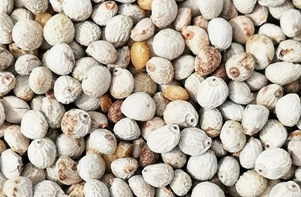
Response of white perilla’s yield, water productivity, consumed energy and farm income to irrigation treatments in sandy soil
Abstract
White perilla (Perilla frutescens) is not a widely grown commercial crop in Egypt and no information is available on water requirements of the crop under Egyptian conditions. Therefore, a field experiment was conducted in a private farm (30o40' N latitude, 32o15' E longitude, and 10.0 m above mean sea level), Ismailia Governorate, Egypt, during the 2022 and 2023 summer growing seasons. The objectives of this field experiment were to test the effect of six irrigation treatments (IFarmer, IGrowth-stage, I120%ETo, I100%ETo, I80%ETo, and I60%ETo) on perilla seed yield, plant height, total carbohydrates (TC, %), total protein (TP, %), total oil content (%), macro-, secondary-, micro-nutrients, amounts of applied irrigation (AIW, m3/ha), water productivity (WP, kg seed/m3 applied water), yield response factor (Ky), energy consumption, and farm income. Results showed significant effect of the irrigation treatments on all tested parameters. The 2-year average AIW values were 9653, 7259, 6540, 5450, 4360, and 3270 m3/ha for IFarmer, IGrowth-stage, I120%ETo, I100%ETo, I80%ETo, and I60%ETo treatments, respectively. The highest 2-yr. average seed yield of 4.979 t/ha was recorded for the IGrowth-stage treatment, while the lowest value of 2.890 t/ha was recorded for the I60% ETo treatment. Results revealed also that, there were no significant differences between seed yields recorded for IGrowth-stage and I120%ETo treatments in the two seasons. The 2-yr average WP values were 0.406, 0.686, 0.686, 0.713, 0.8, and 0.884 kg seeds/m3 for the IFarmer, IGrowth-stage, I120% ETo, I100% ETo, I80% ETo, and I60% ETo, respectively. Perilla Ky value was 0.778 indicating moderately tolerant to deficit irrigation. The highest 2-yr average value of consumed electric energy of 4924 kW was recorded for farmer practice (IFarmer), while the lowest average value of 1669 kW was recorded for the I60% ETo treatment. The 2-yr average values of cost: benefit ratios were 1.50, 1.10, 1.20, 1.31, 1.43, and 1.90% for the same respective irrigation treatments. From the obtained results it could be concluded that, applying appropriate agronomic practices (e.g. proper amounts of irrigation water and applying fertilizer through drip-fertigation technique) can achieve high perilla seed yields. In case of water shortage, applying good agricultural practices and I120%ETo can save 32.2% (3113 m3/ha) of applied irrigation water without significant reduction in seed yield, achieve 4.485 t/ha of see yield, water productivity of 0.686 kg seed/m3, save 32.3% of electric energy, and 14.3% higher net income compared with farmer practice.
Keywords: Applied water, water productivity, yield response factor, electric energy, farm income
INTRODUCTION
Perilla (Perilla frutescens L.) is a fast-growing annual medicinal, aromatic, herbal and functional food plant. It belongs to the mint family, Lamiaceae, which is primarily cultivated in Asian countries. Perilla’s species include two types that are characterized on the basis of their morphology and dual uses: 1) Perilla frutescens var. crispa (Thunb.) Deane is generally used as leafy vegetable, spicy herb and medicinal plant, and 2) Perilla frutescens var. frutescens is used as an oil crop (Toska and Spoleto, 2014; Lin et al., 2020; Das et al., 2023). Perilla seeds are developing as a valuable resource for functional foods and medicines due to their rich oil and protein contents with diverse nutritional and health benefits (Guan et al., 2024). Perilla seeds are ideal raw material for edible oil, high protein contents, and carbohydrates with oil content ranging as high as 35% to 45%, protein contents from 18.5 to 30%, and carbohydrate contents from 22.8 to 26.0% (Sargi et al., 2013; Yang et al., 2022; Das et al., 2023; Li et al., 2023). Studies indicated that perilla crop is sensitive to environmental stresses, especially temperature and soil water content, with direct effects on growth parameters and seed and oil yields (Ucan et al., 2007; Hagiwara et al., 2010). Generally, plants grow rapidly and produce better biomass yields in less stressful environments. Lin et al. (2020) tested the effect of temperature (oC) and volumetric soil water content (VWC) on perilla growth and production. They reported that all perilla plants treated with severe-stress treatments, 15°C (low temperature) and 35oC (high temperature) with 15% VWC for five weeks, exhibited harmful effects to their leaves and significant decrease on maximal quantum yield of PSII photochemistry values compared to the 20-25°C and 65% VWC (control treatment).
Worldwide, water scarcity is increasing in frequency, intensity, and magnitude which pose threats to the food security of millions of people. A balance between conserving water supply and ensuring food security should be considered to attain sustainable agriculture. Proper strategies to cope with the major challenge of water scarcity are required for crop management, implementing advanced technologies to help farmers optimizing water use, and adopting policies that encourage farmers to conserve and efficient use of water resources (Evans and Sadler, 2008).
Because of Egypt’s arid climate and limited water resources, water availability for the agricultural sector is considered as a major challenge for the sustainability of food production. Therefore, managing water efficiently is crucial for successful cultivation of crops.
In Egypt, perilla (Perilla frutescens L.) is not a widely grown commercial crop. The few researches conducted on perilla focused on successful cultivation, volatile oil extraction, and nutraceutical analysis. Studies proved that East Asian perilla varieties can thrive in well-drained soils and require temperatures between 21°C and 30°C, making them adaptable to Egypt’s climate if adequate irrigation is provided, producing herbal yield and volatile oil rich in omega fatty acids (Omer et al., 1998). There is no information available regarding the response of perilla productivity grown in sandy soils to different amounts of applied irrigation water under Egyptian conditions.
The hypotheses of this study was that different amounts of applied irrigation water might affect perilla growth characteristics, seed yield and its constituents, energy consumed and farm income. Therefore, the objectives of this trial were to determine the effect of irrigation treatments on perilla seed yield, plant height, total carbohydrates, total protein, total oil content, macro-, secondary-, micro-nutrients, amounts of applied irrigation, water productivity, yield response factor, energy consumption, and farm income.
MATERIALS AND METHODS
Experimental site description
A field experiment was conducted in a private farm (30o40’ N latitude, 32o15’ E longitude, and 10.0 m above sea level), Ismailia Governorate, Egypt (Figure 1), during the 2022 and 2023 summer growing seasons. The experimental site represents the newly reclaimed sandy soil of East Nile Delta region. The site is characterized with hot/dry summer and nonsignificant rainfall amounts. Mean monthly agrometeorological data for 2020 and 2021 at the experimental site are presented in Table 1.
The data in Table 1 were used to calculate monthly reference evapotranspiration (ETo) values for the experimental site using the FAO-56 Penman-Monteith equation (Allen et al., 1998).
Samples from the upper 60 cm soil surface were collected at 15 cm interval to determine main soil physical parameters (particle size distribution, textural class, and bulk density), hydro-physical constants (field capacity, wilting point, and available soil moisture), and some chemical properties (pH, ECe, and soluble cations and anions). Physical and chemical soil analyses were done according to the standard methods as described by Klute (1986) and Tan (1996). Soil samples were also analyzed for determining available macronutrients (N, P, and K) and the obtained values were 16.7, 5.50, and 65.1 mg kg−1, respectively. Accordingly, the soil was characterized by low fertility and insufficient available water for plant growth. As for irrigation water, samples were collected from Ismailia branch which supplies irrigation water to the farm and the chemical analysis is given in Table 2.
Experimental design and tested treatments
The field experiment was implemented in a strip plot design with four replicates. Irrigation treatments were laid out in the horizontal plots. The plots area was 700 m2.
The tested irrigation treatments were as follows:
• IFarmer: Farmer treatment (control). The farmer applied irrigation and fertilizer amounts without interference from the researchers.
• IGrowth-stage: Applying irrigation water according to growth stages of perilla crop defined as: germination (5-14 days); seedling (14-28 days); vegetative (28-42 days); flowering (14-28 days); and seed production (28-42 days). In this treatment, applied irrigation water increased gradually from 120% ETo during germination to 140% ETo during vegetative stage, then decreased gradually to 120% ETo by the end of the season.
• I120%ETo: Irrigation with amounts of water equal to 120% ETo.
• I100%ETo: Irrigation with amounts of water equal to 100% ETo.
• I80%ETo: Irrigation with amounts of water equal to 80% ETo
• I60%ETo: Irrigation with amounts of water equal to 60% ETo
Irrigation treatments started from sowing perilla seeds and stopped 5 days before harvest. Irrigation event was practiced every 2 days.
Cultural practices
White perilla’s (Perilla frutescens L.) seeds were sown at rate of 5 kg/ha on raised beds of 120 cm width. Two drip lines spaced at 60 cm were on each raised bed. Seeds were banded 2 to 3 cm from soil surface with spacing of 20 cm between seeds and 60 cm between rows. Seeds were sown on June 20 of 2022 and 2023 summer seasons. Perilla crop matures within 90-120 days from sowing. The plants were harvested on October 5 of the two seasons.
Fertilizers added to the crop were: Nitrogen fertilizer (ammonium nitrate, 33.5% N) was added at the rate of 140 kg N/ha, potassium sulfate was added at the rate of 55 kg K2O/ha, and phosphorus was added at the rate of 50 kg P2O5/ha as phosphoric acid (60%). Fertilizers were added through irrigation water (fertigation) and started 15 days from sowing. All macronutrient fertilizers were added in equal doses (3 doses per week) through the irrigation water in 80% of irrigation time using the venture injector. Micro-nutrients, i.e. Fe, Zn and Mn, were also added at the rate of 300:300:300 g/ha using a regular hand sprayer. The recommended practices used for growing perilla crop including weeds and pest management were followed.
The crop was irrigated by a surface drip irrigation system. Fresh water from Ismailia canal was the source of irrigation water. The surface drip system consists of:
• Irrigation pump (60 hp) with discharge rate of 100 m3 h-1
• Sand and screen filters and a venturi fertilizer injector.
The conveying pipeline system consists of:
• 160 mm PVC main line.
• 110 mm PVC sub-main line.
• 50.8 mm PVC sub sub-main line.
• The drip lateral lines of 16 mm diameter are connected to the sub sub-main line. Each lateral line is 24 m long equipped with build-in emitters of 4 L h-1 discharge rate spaced at 30 cm. Each lateral has 16 mm PE valve to control the application of irrigation water and the applied mineral fertilizers.
Measurements of plant height and crop yield
Plant height (cm) of perilla crop was measured four times from soil surface up to the top, after 45 and 60 days from sowing. All plants representing each treatment were collected at harvest time to determine seed yield/ha.
Chemical analysis
At harvest, samples from perilla seeds were collected from all treatments to determine total carbohydrate (TC, %), crude protein (CP, %), and oil content (%) during 2022 and 2023 seasons. Total carbohydrate percentage was determined in plants using colorimetric method as described by Herbert et al. (1971). As for crude protein, the nitrogen content of the collected samples was determined by Kjeldahl N (AOAC, 1999) and the value recorded for nitrogen was then multiplied by 6.25 to determine CP of the sample.
Irrigation water measurements and crop-water relations
The following parameters were considered in this study:
Applied irrigation water (AIW)
The amount of applied irrigation water was calculated according to the equation given by Vermeiren and Jopling (1984) as follows:
where:
AIW = applied irrigation water (m3).
ETo = reference crop evapotranspiration (mm/d).
Kr = ground cover reduction factor (= 0.94 according to Keller and Karmeli (1975).
Iinterval= irrigation interval (2 days under experimental conditions).
A = irrigated area (m2).
Ea = irrigation efficiency = 0.85 and 0.92 in the 1st and 2nd seasons, respectively.
LR = leaching requirements (was not considered in this study to avoid the effect of excess leaching water on deficit irrigation treatments).
Yield response factor (Ky)
The yield response factor, which links relative yield decrease to relative applied irrigation water deficit, was expressed by the standard formulation given by Vaux and Pruitt (1983).
Crop water productivity (WP)
Crop water productivity, relates unit of crop economic yield (seed) to unit of water applied, was calculated according to Zhang (2003).
Energy saving (ES, %)
Energy saving (%): is the electric energy (kwh) saved from operating the irrigation pump according to the tested irrigation treatments compared with farmer practice. The ES values were calculated according to the following equation:
Economic analysis
Economic analysis was performed to evaluate the economic return due to the tested irrigation treatments. The analysis was done through the calculation of differences between costs of production (L.E./ha) and income profits (L.E./ha) to obtain the net return (L.E./ha) of the proposed treatments as compared with farmer practice and to identify the best treatment that achieves the highest net return. The income profits were calculated based on the actual prices of average perilla production cost at farm gate. The net income values were calculated using the following formula:
Also, the benefit-cost ratio that indicates the relationship between the cost and benefit of producing perilla seeds as affected by the tested irrigation treatments was determined. The formula describing this ratio is given as:
Statistical analysis
The obtained data were statistically analyzed according to (MSTAT-C) computer software package. Least significant differences (LSD) method was used to test the differences between treatment means at 5% level of probability as described by Snedecor and Cochran (1980).
RESULTS AND DISCUSSION
Reference crop evapotranspiration (ETo)
The calculated 2-seasons average reference evapotranspiration (ETo) values at the experimental site for perilla crop are illustrated in Figure 2. Results indicated that, the ETo value for irrigation season (20 Jun. – 5 Oct.) was 513 mm. Results presented in this figure show that, the highest mean ETo values were 5.29 and 5.51 mm/day during June and July, respectively. The lowest mean ETo values were 4.11 and 2.86 mm/day during September and October, respectively.
Effect on applied irrigation water (AIW)
Results in Table 3 show the effect of tested irrigation treatments on amounts (m3/ha) of applied irrigation water to white perilla crop. The 2-year average AIW values were 9653, 7259, 6540, 5450, 4360, and 3270 m3/ha for the farmer practice, irrigation according to growth stage, 120%, 100%, 80%, and 60% ETo treatments, respectively. It is clear from the results that, amounts of AIW in the first season were higher than the amounts in the second season due to the lower application efficiency (Ea) of 85% in the 1st season and higher application efficiency of 92% in the 2nd season. The 2-yrs. average water saved were 24.8, 32.2, 43.5, 54.8, and 66.1% for the respective treatments compared to farmer practice. The obtained results reflect the need of extension services to transfer the obtained results to the farmers growing newly cultivated crops such as white perilla crop to avoid excess of irrigation water, reduce the cost of fertilizers added and energy used for irrigation, and to decrease the negative effect on crop yield.
The obtained results were close to those reported by Soni et al. (2022) who stated that, water footprint for perilla crop typically ranges from 400 to 700 mm over a 110- to 150-day growing season. The obtained results were higher than those reported by Lin et al. (2020) who reported that, perilla typically requires between 350 mm and 500 mm of water, per growing season, and consuming an average of 4 to 6 mm/day during peak growth stage depending on the climate and growth stage. The differences in amounts of water applied in this experiment and those reported in the literature could be due to climatic parameters, soil type, perilla varieties, and length of growing season.
Effect on white perilla seed yield and water productivity
Results indicated that white perilla seed yields were significantly affected by irrigation treatments in the two growing seasons. The highest 2-yr. average seed yield of 4.979 t/ha was recorded for the IGrowth-stage treatment, while the lowest value of 2.890 t/ha was recorded for the I60% ETo treatment (Table 4). Results showed that seed yields of the 2nd seasons were higher (from 8% for the I60% ETo to 20% IFarmer treatments) than seed yields of the 1st season. The results can be explained by the fact that application efficiency (Ea) of irrigation water was higher in the 2nd season with direct effect on improving fertilizer application efficiency and increasing seed yields. Results revealed also that, there were no significant differences between seed yields recorded for IGrowth-stage and I120%ETo treatments in the two seasons. The results indicate that deficit irrigation limits the plant’s ability to produce healthy seeds, directly reducing overall harvest weight. Based on the obtained results it could be recommended, in case of water shortage, that applying good agricultural practices (e.g. proper amounts of irrigation water, and applying fertilizer by fertigation technique) can save 7.4% of applied irrigation water (I120%ETo) as compared to IGrowth-stage treatment without significant reduction in white perilla seed yield.
Results showed also that perilla seed yield is sensitive to water stress, excess irrigation (IFarmer) or deficit irrigation (I80% ETo and I60% ETo) The results were similar to those of Ucan et al. (2007) and Hagiwara et al. (2010), who indicated that perilla yields are sensitive to environmental stresses, especially water stress. The obtained seed yields were close to that reported by Rouphael et al. (2015) who reported that, perilla seed yield grown under organic system was 319.6 g/m2 (3.196 t/ha) and was 437.6 g/m2 (4.376 t/ha) under conventional system. The results were also close to those reported by Ansari et al. (2025), who concluded that perilla seed yield varies between 0.55 – 3.480 t/ha based on the genotypic variation of perilla crop.
A third order polynomial equation was used to explain the best association between seed yields (kg/ha) and applied irrigation water (m3/ha) for all tested treatments. The obtained 3rd order degree polynomial equation explaining seed yield – AIW relation is illustrated in Figure 3 and expressed as:
The coefficient of determination value (r2 = 0.8069) indicates that, the developed relation can effectively explain the relation between seed yields and applied water within the 3130 m3/ha ≤ AIW ≤ 9900 m3/ha irrigation amounts.
Results in Table 4 showed also that, water productivity values increased with decreasing amounts of applied irrigation water. The 2-yr average WP values were 0.406, 0.686, 0.686, 0.713, 0.8, and 0.884 kg seeds/m3 for IFarmer, IGrowth-stage, I120% ETo, I100% ETo, I80% ETo, and I60% ETo, respectively. Results can be also explained by the statement by Harisha et al. (2023) who indicated that, increasing WP with less amounts of applied irrigation water could be due to increasing net assimilation or decreasing transpiration driven by rapid stomatal regulation, altered biomass allocation, and the unique metabolic responses to water scarcity.
The obtained results were close to those reported by Soni et al. (2022), who indicated that water productivity for perilla seed production averages (0.3 to 0.6 kg/m3) (3 to 6 kg/ha/mm), meaning it requires roughly (1.6 to 3.3 m3) of water to produce one kilogram of perilla seed.
Effect on yield response factor (Ky)
The relation between relative yield reduction and relative reduction in applied irrigation water (i.e. Ky) is illustrated in Figure 4. The linear equation governing this relation is expressed as:
where Y: represents relative yield reduction (1 – Ya/Ym). In this study, Ym represents the yields obtained from IGrowth-stage treatment, while Ya represents the yields obtained from I120% ETo, I100% ETo, I80% ETo, and I60% ETo treatments.
X: represents relative reduction in applied irrigation water (1 – AIWa/AIWm). The AIWm represents the applied irrigation water for the IGrowth-stage treatment, while AIWa represents the applied irrigation water for the I120% ETo, I100% ETo, I80% ETo, and I60% ETo treatments.
The constant 0.778 represents the obtained crop response factor (Ky) under the experimental conditions. Since Ky value is less than 1.0, the relative reduction in yield is less than the relative reduction in applied water and the white perilla crop can be considered as moderately tolerant to deficit irrigation. The coefficient of determination (r2) value of 0.97 indicates that the developed relation can predict with high confidence level the relative yield reduction due to relative reduction in applied irrigation water at the experimental site and other locations with similar conditions.
The obtained result was similar to that reported by Lin et al. (2020) who indicated that perilla crop is moderately drought-tolerant since it exhibits a strong ability to optimize water use and producing high biomass relative to the amount of water lost through transpiration while subjected to moderate drought.
Effect on plant height, total carbohydrates, total protein, and oil percentage
Results in Table 5 showed major effect of the tested irrigation treatments on plant height, total carbohydrates, total protein, and oil percent in the two seasons. The 2-year average tallest plant values of 55.8 cm after 45 days and 75.6 cm after 60 days from sowing were recorded for IGrowth-stage treatment. While, the shortest plant values of 38.3cm after 45 days and 41.4cm after 60 days from sowing were recorded for I60%ETo treatment. Results showed that, increasing the amount of applied water (e.g. IGrowth-stage treatment) led to increasing plant height by 35.5% during the period from 45 to 60 days from sowing. Meanwhile, under severe deficit irrigation (e.g. I60%ETo treatment), the increase in plant height was 8.1% during the same growing period. The decrease in plant heights can be explained by the fact that imposing water stress inhibits photosynthesis and restricts plant growth by limiting cell division and expansion. The obtained results were close to those of Shin et al. (2022) who indicated that plant height varied from 47.3 to 57.5cm after 106 days from planting.
Results revealed that, the 2-yr average carbohydrate values were 46.3, 48.3, 46.0, 38.6, 35.0, and 32.7% for the IFarmer, IGrowth-stage, I120%ETo, I100%ETo, I80%ETo, and I60%ETo irrigation treatments, respectively (Table 5). The obtained results were less than the carbohydrate values reported by Kongkeaw et al. (2015) who stated that, carbohydrate contents of perilla seeds of 56.9%. The difference in carbohydrate contents could be due to the varieties used, climate conditions, or the cultural practiced to grow perilla.
Protein contents (%) were affected by irrigation treatments (Table 5). Results showed that, the highest 2-yr average protein content value of 12.1% was recorded for IGrowth-stage treatment, while the lowest value of 7.61% was recorded for the I60%ETo treatment. Average protein content of IGrowth-stage treatment was 24.2, 11.0, 28.2, 42.1, and 59.1% higher than the protein contents of IFarmer, I120%ETo, I100%ETo, I80%ETo, and I60%ETo irrigation treatments, respectively. The obtained protein values were close to those reported by Dahyani and Dahyani (2014) of 11.14%, and Kongkeaw et al. (2015) of 15.5% for white perilla. The obtained values were less than those of Lee et al. (2013) of 16 – 22%, Kaura et al. (2024) of 17.4%, and Gao et al. (2026) of 20.2 – 27.2%. Differences in protein values could be results of the perilla varieties used.
Results in Table 5 indicated that oil contents (%) in white perilla seeds were highly influenced by irrigation treatments. The 2-yr average oil content values of 24.5, 29.4, 26.9, 23.2, 21.0, and 19.6% were recorded for IFarmer, IGrowth-stage, I120%ETo, I100%ETo, I80%ETo, and I60%ETo irrigation treatments, respectively. The reduction in oil content is directly related to the reduction in perilla seed weight. Deficit irrigation at I60%ETo, I80%ETo, and I100% led to 50.3, 40.2, and 26.5% reduction in oil yield compared to IGrowth-stage treatment. The obtained results were less than those reported by Gao et al. (2026) of 28.3 – 40.6%.
Generally, the obtained results were in line with those reported by Furtado et al. (2016) who stated that, reduction in plant growth and accumulation of dry matter under deficit irrigation could be attributed to the decrease in water and nutrient uptake due to stomata closure, poor transpiration, and low turgor pressure, which reduced photosynthesis and cell expansion.
Effect on macro-, secondary-, and micro-nutrients
Results in Tables 6 and 7 indicated significant effect of irrigation treatments on the measured macro-, secondary-, and micro-nutrient contents in white perilla seeds. Results in Table 6 revealed that, the highest nitrogen values of 1.84 and 2.01% were recorded for IGrowth-stage treatment, while the lowest values of 1.16 and 1.27% were recorded for I60%ETo treatment in the 1st and 2nd seasons, respectively.
The highest P (%) values of 0.49 and 0.54% were recorded for IGrowth-stage treatment, while the lowest values of 0.31 and 0.34% were recorded for I60%ETo treatment in 2022 and 2023 seasons, respectively.
The highest potassium (%) values of 0.51 and 0.56% were recorded for IGrowth-stage treatment, while the lowest values of 0.28 and 0.35% were recorded for I60%ETo treatment in the 1st and 2nd seasons, respectively.
As for the secondary nutrients, the highest Ca (%) values of 2.995 and 3.28% were recorded for IGrowth-stage treatment, while the lowest values of 1.89 and 2.06% were recorded for I60%ETo treatment in the 1st and 2nd seasons, respectively.
The highest Mg (%) values of 1.05 and 1.15% were recorded for IG treatment, while the lowest values of 0.66 and 0.72% were recorded for I60% treatment in the 1st and 2nd seasons, respectively.
As for micro-nutrients, results in Table 7 showed that, the highest Mn values of 221 and 243 ppm, while the lowest values of 140 and 152 ppm. The highest Zn values of 102 and 112 ppm, while the lowest values of 64.4 and 70.2 ppm. The highest Fe values of 392 and 429 ppm, while the lowest values of 247 and 270 ppm. The highest B values of 45.4 and 49.7 ppm, while the lowest values of 28.6 and 31.2 ppm. The highest Cu values of 67.9 and 74.5 ppm, while the lowest values of 42.8 and 46.7 ppm. The highest micro-nutrient values were recorded for IGrowth-stage, while the lowest values were recorded for I60%ETo treatment in the 1st and 2nd seasons, respectively.
Results indicated, in general, that there were no significant differences in macro-, secondary-, and micro-nutrient values for the IGrowth-stage and I120%ETo treatments. Results revealed also that, all measured values of macro- and secondary-nutrients (%), and micro-nutrients (ppm) were higher in the 2nd season compared with the 1st season. The obtained results were due to higher irrigation application efficiency value in the 2nd season with direct effect on improving the availability and uptake of fertilizers injected through fertigation technique. Decreasing the amounts of applied water (i.e. I100%ETo, I80%ETo, and I60%ETo) decreased nutrient contents in perilla seeds. The obtained results can be explained as nutrient availability may be limited since the decrease of soil moisture delays minerals’ dissolution and reduces the concentration in soil solution. While, adequate moisture (i.e. IGrowth-stage and I120%ETo) ensures nutrients distribution uniformity and uptake. Excess irrigation (i.e. IFarmer) led to nutrients leaching from the root zone with direct effect on uptake and plant growth.
The obtained results were in line with those reported by Dhyani and Dhyani (2014), Bhaswart et al. (2024), and Kaura et al. (2024).
Consumed electric energy
Results showed that the highest 2-yr. average value of consumed electric energy of 4924 kW was recorded for farmer practice, while the lowest average value of 1669 kW was recorded for the I60% ETo treatment. The application of irrigation treatments reduced the consumed electric energy by values varied from 23.5 to 65.5% in the 1st season and from 27.1 to 66.7% in the 2nd season for the IG and I60% ETo treatments, respectively as compared with farmer practice (Table 8). Energy saved was a direct result of applying the proposed irrigation treatments which led to reduce the number of hours used to operate the irrigation pump. The results of this study were close to those reported by Taha and Khalifa (2025), who indicated that the application of irrigation treatments reduced the consumed electric energy by values varied from 29.6 to 64% for the I120%ETo to I60% ETo treatments as compared to farmer practice.
Economic analyses
Results in Table 9 indicated that, the 2-year average costs were 55955, 52939, 51179, 49625, 48075, and 46524 LE/ha for the IF, IG, I120%ETo, I100%ETo, I80%ETo, and I60%ETo irrigation treatments, respectively. Land rent represented the highest production cost which varied from 44.7% (IF) to 53.7% (I60%ETo), followed by irrigation cost that varied from 24.7% (IF) to 8.8% (I60%ETo) of the total cost. Results showed also that, the 2-yr average net income values from growing white perilla crop were 3917675, 4960971, 4490830, 3850349, 3485014 ,and 2631877 LE/ha for the IF, IG, I120%ETo, I100%ETo, I80%ETo, and I60%ETo irrigation treatments, respectively. Results showed also that, the 2-yr average values of cost: benefit ratio were 1.50, 1.10, 1.20, 1.31, 1.43, and 1.90% for the same respective irrigation treatments.
From the obtained results it could be concluded for the production of white perilla crop that, applying the either IG or I120% ETo irrigation treatments can achieve highest net income and lowest cost/benefit ratio, save irrigation water and energy as compared to other irrigation and farmer practice treatments. Also, an extension message should be conveyed to the farmers in the area to follow the results achieved by this applied research.
CONCLUSION
White perilla (Perilla frutescens L.) crop is a newly introduced crop to the Egyptian agricultural system. No information is available on water requirements of perilla crop under local conditions. Results indicated major effect of irrigation treatments on seed yield, plant height, total carbohydrates, total protein, total oil content, macro-, secondary-, micro-nutrients, and amounts of applied irrigation, water productivity, consumed energy, and farm net income. Perilla crop response factor was 0.778 indicating moderately tolerant to deficit irrigation. From the obtained results it could be concluded that, applying appropriate agronomic conditions (e.g. proper amounts of irrigation water, and applying fertilizer through drip-fertigation technique) can achieve high perilla seed yields. In case of water shortage, applying good agricultural practices and I120%ETo can save 32.2% (3113 m3/ha) of applied irrigation water without significant reduction in seed yield, achieve 4.485 t/ha of see yield, water productivity of 0.686 kg seed/m3, save 32.3% of electric energy, and 14.3% higher net income compared with farmer practice.
REFERENCES
AOAC (1999). Association of official analytical chemists, Official Methods of Analysis 13th Ed. Washington, D.C.
Allen R.G., L.S. Pereira, D. Raes, M. Smith (1998). Crop evapotranspiration- Guidelines for computing crop water requirements-FAO Irrigation and drainage paper 56. FAO, Rome.
Ansari M.A., A. Kumar, T.P. Sh. Ahammed, A. Kumar, S.S. Roy, M.H. Ansari, R. Singh, M. Sangeeta, J. Layek, N. Prakash, V.K. Mishra( 2025). Exploring the genotypic potential of perilla (Perilla frutescens L.) for climate-resilient agriculture in the North Eastern Himalayas. Front. Sustain. Food Syst., 9:1549061.
Bhaswant M., T. Miyazawa, Ch. Abe, R. Fukasawa, O. Higuchi, M.T.N. Thi, T. Miyazawa. (2024). Comparative analysis of macro- and micro-nutrients of Perilla frutescens var. crispa f. viridis microgreens and germinated seeds. Food Chem., 455: 139858.
Das R., K.M. Ajaykumara, N. Premaradhya, Senpon Ngomle (2023). Perilla: A Nutritious Food Crop for Future. Sun. Agri.:e- Newsletter, 3: 18-23.
Dhyani D., Sh. Dhyani (2014). Nutritional, food and energy value of perilla frutscens an underutilized traditional oil seed crop of Western Himalaya, India. AgroFood Industry Hi Tech., 25: 24-28.
Evans R. G., E.J. Sadler (2008). Methods and technologies to improve efficiency of water use. Water Resour. Res., 44: 1–15.
Furtado G.F., D.A. Xavier, E.M.G. Andrade, G.S. de Lima, L.H.G. Chaves, A.C.F. de Vasconcelos, J.A.C. Wanderley (2016). Growth and physiological responses of sunflower grown under levels of water replacement and potassium fertilization. Afr. J. Agric. Res., 11: 1273–1281.
Gao X., Sh. Li, L. Mu, T. Hou, Z. Zhang, H. Li (2026). Morphological, biochemical and fatty acid variations of three perilla (Perilla rutescen L.) cultivars under open-field conditions in Northern China. Journal of Food Composition and Analysis, 151:108940.
Guan L., L. Zhu, X. Zhang, Y. Han, K. Wang, N. Ji, X. Yao, Y. Zhou, B. Li, Q. Chen (2024). Perilla seed oil and protein: Composition, health benefits, and potential applications in functional foods. Molecules, 29: 5258.
Hagiwara Y., N. Kachi, J.I. Suzuki (2010). Effects of temporal heterogeneity of water supply on the growth of Perilla frutescens depend on plant density. Annals of Botany, 106:173-181.
Harisha C.B., V.B. Narayanpur, J. Rane, V.M. Ganiger, S. Prasanna, Y.C. Vishwanath, G.S. Reddi, H.M. Halli, K.M. Boraiah, P.S. Basavaraj (2023). Promising bioregulators for higher water productivity and oil quality of chia under deficit irrigation in semiarid regions. Plants, 12: 662-684.
Herbert D., P.J. Philipps, R.E. Strange (1971). Determination of total carbohydrates. Methods in Microbiology, 5: 290-344.
Kaura S., K. Seemb, A. Alic, S. Jaiswala, P. Gumachanamardia, G. Kaurd, N. Singha, L. Touthanga, S.K. Singhe, R. Bhardwajf, B.K. Singha, V.K. Mishraa, A. Riar (2024). A comprehensive review on nutritional, nutraceutical, and industrial perspectives of perilla (Perilla frutscens L.) seeds – An orphan oilseed crop. Heliyon, 10: e33281.
Keller J., D. Karmeli (1975). Trickle irrigation design. Rain bird International.
Klute A. (1986). Methods of Soil Analysis, part 1. Physical and mineralogical method. American Society of Agronomy. Madison. Wisconsin.
Kongkeaw S., S. Riebroy, M. Chaijan (2015). Comparative studies on chemical composition, phenolic compounds and antioxidant activities of brown and white perilla (Perilla frutescens) seeds. Chiang Mai J. Sci., 42: 896-906.
Lee H.L., K.H. Park, M.H. Lee, H.T. Kim, W.D. Seo, J.Y. Kim, I.Y. Baek, D.S. Jang, T.J. Ha (2013). Identification, characterization, and quantification of phenolic compounds in the antioxidant activity-containing fraction from the seeds of Korean perilla (perilla frutescens) cultivars. Food Chemistry, 136: 843-852.
Li X., X. Zhang, J. Li, W. Zhang, D. Gong, F. Li (2023). Assembly of perilla seed protein isolate-pectin nanocomplex to deliver curcumin: Properties, characterization, molecular interactions and antioxidant activity. Food Biosci., 53: 102816.
Lin K.H., Y.J. Jhou, Ch.W. Wu, Y.S. Chang (2020). Growth, physiological, and antioxidant characteristics in green and red Perilla frutescens varieties as affected by temperature- and water-stressed conditions. Scientia Horticulturae, 274: 109682.
Omer E.A., M.E. Khattab, M.E. Ibrahim (1998). First cultivation trial of Perilla frutescens L. in Egypt. Flavour Fragr. J., 13: 221-225.
Rouphael Y., G. Raimondi, A. Paduano, R. Sacchi, G. Barbieri, S. De Pascale (2015). Influence of organic and conventional farming on seed yield, fatty acid composition and tocopherols of Perilla. Australian Journal of Crop Science, 9: 303-308.
Sargi S.C., B.C. Silva, H.M.C. Santos, P.F. Montanher, J.S. Boeing, O.O.S. Junior, N.E. Souza, J.V. Visentainer (2013). Antioxidant capacity and chemical composition in seeds rich in omega-3: chia, flax, and perilla. Food Sci. Technol, 33: 541-548.
Shin M., H.J. Jeong, M.Y. Roh, J.H. Kim, K.J. Song (2022). Growth and yield response of perilla plants grown under different substrates in hydroponic system. Journal of Bio-Environment Control, 31: 292-299.
Snedecor G.W., W.G. Cochran (1980). Statistical Methods, 6th Ed. Iowa State Univ. Press, Ames, Iowa, USA, 507 p.
Soni J.K., Lungmuana A. Kumar, I. Shakuntala (2022). Perilla – a lesser known food crop. Indian Farming, 72: 15–17.
Taha A.M., H.E. Khalifa (2025). Productivity of newly cultivated chia crop in the sandy soils of East Delta, Egypt. Mor. J. Agri. Sci., 6: 60-68.
Tan K.H. (1996). Soil sampling, preparation and analysis. New York (NY): Marcel Dekker. Brockhaus, F.A. 1962. A B C der land wirtscheft B. and A-K 2nd Edit VEB F.A. Brockhaus Verlay, Leipzg.
Tosca A., P. Spoleto (2014). Characterization of some qualitative traits in different perilla cultivars. Proc. XXVIIIth IHC – IS on Emerging Health Topics in Fruits and Vegetables. Ed.: Y. Desjardins, Acta Hort., 939: 301-308.
Ucan F., C. Killi, H. Gencoglan, H. Merdun (2007). Effect of irrigation frequency and amount on water use efficiency and yield of sesame (Sesamum indicum L.) under field conditions. Field Crops Research, 101: 249-258.
Vaux H.J., D.W. Pruitt (1983). Crop water production functions. In D. Hillel (ed.) Advances in Irrigation, 2: 61-93.
Vermeiren L., G.A. Jopling (1984). Localized Irrigation. FAO, Irrigation and Drainage Paper no. 36, Rome, Italy.
Yang J., Y. Duan, F. Geng, C. Cheng, L. Wang, J. Ye, H. Zhang, D. Peng, Q. Deng (2022). Ultrasonic-assisted pH shift-induced interfacial remodeling for enhancing the emulsifying and foaming properties of perilla protein isolate. Ultrason. Sonochemistry, 89: 106108.
Yousuf M.A., M.R. Rahman, M.A. Salam, S. Rashed, M.T. Islam (2025). Impact of sulfur and phosphorus fertilization on growth and yield of perilla oil crop (Perilla frutescens) under net house condition in Bangladesh. Archives of Agriculture and Environmental Science, 10: 517-523.
Zhang H. (2003). Improving water productivity through deficit irrigation: Examples from Syria, the North China Plain and Oregon, USA. In Water Productivity in Agriculture: Limits and opportunities for Improvement (Eds. J.W. Kijne, R. Barker and D. Molden), CABI Publishing and International Water Management Institute.