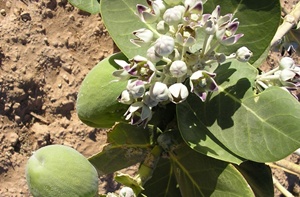
Eco-Friendly weed management with giant milk-weed (Calotropis procera) leaf extract
Abstract
Weed infestation remains a major constraint to maize production in the Sudan Savanna of Nigeria, necessitating sustainable and effective weed management strategies. This study evaluated the efficacy of Calotropis procera leaf extract as a bioherbicide, applied alone and in combination with hoe weeding and synthetic herbicides, on weed suppression, growth, and yield of maize at Bayero University Kano (BUK) and ICRISAT Research Farm, Minjibir during the 2024 rainy season. The experiment was laid out in a randomized complete block design with eleven weed control treatments which were replicated three times. Data were collected on weed characters, maize growth parameters, yield components, and grain yield. Weed control methods significantly influenced weed pressure, maize growth, and yield at both locations. Hoe weeding at 3 and 6 weeks after sowing and pendimethalin followed by nicosulfuron recorded the lowest weed density (66.7-73.0 plants m⁻² at BUK) and dry weed biomass (1,400-1,950 kg ha⁻¹), resulting in the highest weed control efficiency (up to 98.5% at Minjibir). These treatments also produced taller plants (up to 232–241 cm at 12 WAS), higher grain yield (2.04-2.23 t ha⁻¹ at BUK and 0.92-0.95 t ha⁻¹ at Minjibir), and superior yield components compared with other treatments. Integrated application of C. procera leaf extract (60–80%) with hoe weeding or early post-emergence spraying significantly reduced weed infestation and improved maize growth and yield relative to the weedy check, which consistently recorded the highest weed density (420-560 plants m⁻²) and the lowest grain yield (0.12-0.50 t ha⁻¹). The soils at both sites were sandy loam with low inherent fertility, emphasizing the importance of effective weed suppression to reduce competition for limited nutrients. Overall, the study demonstrates that C. procera leaf extract, particularly when integrated with conventional weed control practices, offers a viable and eco-friendly option for improving maize productivity in the Sudan Savanna agro-ecological zone of Nigeria.
Key words: Allelopathy, Bioherbicides, Integrated Weed Management, Weed Control Efficiency, Sustainable Crop Production
INTRODUCTION
Maize (Zea mays L.) is a major staple and economic crop in sub-Saharan Africa, contributing significantly to food security, livestock feed supply, and household income, particularly in Nigeria’s Sudan Savanna agro-ecological zone. Despite its importance, maize productivity in this region remains below potential due largely to intense weed pressure, low soil fertility, and erratic rainfall patterns (FAO, 2023; Manyong et al., 2021). Among these constraints, weed interference during the early growth stages of maize constitutes the most severe limitation, often resulting in yield losses exceeding 50% when control is inadequate (Saha et al, 2021; Falade et al., 2023).
Weed management in maize production systems of northern Nigeria relies predominantly on synthetic herbicides and repeated manual hoe weeding. While herbicides offer effective and timely weed control, their excessive use has generated concerns related to environmental contamination, human health risks, herbicide resistance, and declining long-term efficacy (Boyd et al., 2022; Arasan, et al., 2025). Manual weeding, although environmentally benign, is labor-intensive, costly, and increasingly unsustainable due to rural labor shortages and rising wage rates (Alptekin et al., 2022). These challenges highlight the need for alternative weed management options that are effective, affordable, and environmentally sustainable.
Plant-derived bioherbicides have emerged as promising eco-friendly alternatives within integrated weed management frameworks. Allelopathic plants release bioactive compounds such as phenolics, alkaloids, flavonoids, and terpenoids that suppress weed germination and growth while posing minimal risks to non-target organisms and soil health (Hussain et al., 2021; Patra et al., 2023). Calotropis procera (Aiton) Dryand., commonly known as giant milkweed, is widely distributed in the semi-arid regions of Nigeria and thrives under harsh environmental conditions. Its leaves contain a diverse range of phytochemicals with documented phytotoxic and growth-inhibitory properties against several weed species (Abbas et al., 2021; Kaur et al., 2021). Despite these attributes and its abundance in the Sudan Savanna, field-based information on the efficacy of C. procera leaf extract as a bioherbicide in maize production systems remains limited.
Moreover, the effectiveness of bioherbicides is strongly influenced by soil properties, weed flora composition, and integration with conventional weed control practices. Sandy loam soils typical of the Sudan Savanna, characterized by low organic matter and nutrient reserves, intensify crop–weed competition and may affect the persistence and activity of allelochemicals (Amao et al., 2023; Garba and Aliyu, 2025). Evaluating C. procera leaf extract under field conditions and across locations is therefore essential to determine its practical suitability as a sustainable weed management option.
The objective of this study was to evaluate the combined effects of Calotropis procera leaf-extract bioherbicide and conventional weed control methods on weed dynamics, maize growth, and yield components in the Sudan Savanna zone of Nigeria.
MATERIALS AND METHODS
Experimental Sites
Field experiments were conducted during the 2024 rainy season at two locations in the Sudan savanna, Nigeria: the Teaching and Research Farm, Bayero University Kano (12°58" N, 8°25" E) and ICRISAT Research Farm, Minjibir (12°10" N, 8°39" E; 444 m asl). Both sites have sandy loam soils, unimodal rainfall, and typical Sudan Savanna vegetation.
Treatments and Experimental Design
The experiment was laid out in a Randomized Complete Block Design (RCBD) with eleven weed control treatments replicated three times. Treatments included combinations of synthetic herbicides, Calotropis procera leaf-extract bioherbicide, and manual hoeing:
T1: Pendimethalin @ 1.0 kg a.i. ha-1 fb hoe weeding at 6 WAS
T2: PE Calotropis leaf extract @ 60% fb hoe weeding at 6 WAS
T3: Hoe weeding at 3 and 6 WAS
T4: PE Calotropis leaf extract @ 80% fb hoe weeding at 6 WAS
T5: PE Calotropis leaf extract @ 40% fb hoe weeding at 6 WAS
T6: PE Calotropis leaf extract @ 40% fb EPE Calotropis extract @ 40%
T7: PE Calotropis leaf extract @ 60% fb EPE Calotropis extract @ 60%
T8: Pendimethalin @ 1.0 kg a.i. ha-1 fb Nicosulfuron @ 100 g a.i. ha-1 at 6 WAS
T9: PE Calotropis leaf extract @ 80% fb EPE Calotropis extract @ 80%
T10: PE Calotropis leaf extract @ 80% only
T11: Weedy check (control)
Plot management and agronomic practices
The experimental fields were cleared, ploughed, harrowed, and ridged at 0.75 m spacing prior to planting. Maize (SAMMAZ-52) was sown at an inter- and intra-row spacing of 0.75 m × 0.25 m, with two seeds planted per hole and later thinned to one plant per stand. Fertilizer was applied at the rate of 120 kg N, 60 kg P₂O₅, and 60 kg K₂O ha-1, with half of the nitrogen and the full doses of phosphorus and potassium applied at 2 weeks after sowing (WAS), and the remaining nitrogen applied at 4 WAS. Weed control practices were implemented strictly according to the respective treatment schedules. Each gross plot measured 3.0 m × 4.5 m, and data were collected from the two central rows (4.5 m-2), which constituted the net plot area. Harvesting was carried out at physiological maturity, after which cobs were manually harvested, de-husked, sun-dried, shelled, and weighed for grain yield determination.
Preparation and phytochemical analysis of Calotropis procera leaf extract
Fresh, disease-free leaves were air-dried, milled, and sieved (0.09 mm). One kilogram of powder was soaked in 10 L distilled water for 24 h to obtain a 100% stock solution; working solutions (80%, 60%, 40%) were prepared by dilution. Phytochemical characterization was conducted at Bayero University Biochemistry Laboratory using GC–MS following high-performance thin-layer chromatography (Sahira and Catherine, 2015).
Data collection, soil, and meteorological monitoring
Data were collected on weed and crop parameters using standard agronomic protocols. Weed-related measurements included weed morphological composition, weed cover score, weed density, weed biomass, and weed control efficiency. Crop growth parameters assessed comprised plant height, number of leaves per plant, and number of nodes per plant. Yield and yield-related traits measured included cob diameter, cob length, fresh cob weight, cob dry weight, biological yield, harvest index, 100-seed weight, and grain yield.
Soil samples (0–30 cm) were collected pre-sowing and analyzed for physical and chemical properties (Black, 1965). Meteorological data including rainfall, temperature, and relative humidity were obtained from automated weather stations at both sites.
RESULTS AND DISCUSSION
Soil physicochemical properties
Baseline soil conditions (Pre-planting)
At baseline both sites were loamy sand with very high sand content (>80 %) and low fine fractions, indicating inherently poor nutrient- and water-holding capacity (Table 1). Soil reaction was near neutral at BUK (pH H₂O= 6.77) and slightly acidic at Minjibir (pH H₂O = 6.03), ranges broadly suitable for maize but with limited buffering capacity. Crucially, baseline organic carbon (0.733% at BUK; 0.369% at Minjibir), total N (0.224% and 0.140%), available P (9.52 and 17.16 mg kg-1) and CEC (5.31 and 2.27 cmol kg-1) were low, signalling low native fertility typical of Sudan Savanna sandy soils and a high risk of rapid nutrient depletion under cropping (NISS report; Eneji et al.; see Kebede-type reviews). Low CEC and OC imply the soils cannot retain added nutrients long-term and are prone to leaching and decline in fertility if not replenished (NISS, 2020; Usman and Jayeobaet, 2025). These baseline constraints set the context for interpreting treatment effects on crop growth and economics: in such fragile soils, any additional nutrient removal by weeds or loss via leaching will quickly depress yields.
End-line soil conditions (Post-harvest)
After the season most chemical indicators declined at both sites (Table 1): pH, organic carbon, N and available P all fell (BUK OC 0.733 → 0.558%; N 0.224 → 0.169%; P 9.52 → 6.33 mg kg-1; similar proportional declines at Minjibir). CEC also declined (BUK 5.31 → 4.07 cmol kg-1), consistent with loss of exchangeable bases and organic matter. These end-line depletions are explainable by the combined effects of: (a) crop and weed uptake of N, P and K during the season; (b) limited nutrient retention and leaching on coarse textured soils; and (c) possible removal of biomass (harvested grain, removed weed biomass) without full nutrient recycling (Sneha et al., 2023; NISS, 2020; Usman and Jayeobaet, 2025). Where weeds were abundant (weedy plots), competitive uptake by weeds likely accentuated nutrient removal, reducing soil test values post-harvest more than in well-weeded plots a pattern reported widely.
A few parameters rose slightly: exchangeable sodium and exchangeable acidity increased at BUK, and at Minjibir potassium, exchangeable acidity and silt fraction showed small increases while clay remained unchanged. Small increases in exchangeable Na or EA can reflect selective cation exchange following base depletion or inputs (fertilizer salts, irrigation water chemistry) and warrant monitoring because rising sodicity/acidification can harm structure and nutrient availability over time (Usman and Jayeobaet, 2025). The overall message: one cropping season in these loamy-sand savanna soils produced measurable declines in fertility, highlighting the vulnerability of the system and the need for post-season soil management (organic amendments, appropriate fertilizer, and erosion control).
Phytochemical profile of Calotropis procera Leaf Extract- implications for bioherbicide use
The leaf extract contained a broad spectrum of secondary metabolites (saponins, tannins, flavonoids, alkaloids, terpenoids, phenols, glycosides, quinones, coumarins) and, quantitatively, phenols (488 mg g-1) and alkaloids (413 mg g-1) were most abundant, followed by tannins and flavonoids; saponins were lowest (Table 2). This composition is consistent with recent GC–MS and phytochemical surveys of C. procera showing high phenolic and alkaloid contents and multiple bioactive constituents (Endris et al., 2024; Habeeb et al., 2024). Phenolics and alkaloids are well-documented allelochemicals that can inhibit weed germination, root growth and enzyme systems; tannins and flavonoids likewise contribute to phytotoxic and antimicrobial activity (Khamare et al., 2022; Endris et al., 2024).
However, field efficacy of plant extracts can be variable. Laboratory studies commonly demonstrate strong inhibitory effects, but field performance depends on concentration, formulation, timing, soil interactions, and environmental degradation (water, UV, microbial breakdown) (Fatonah et al., 2020; Zhang et al., 2025). Notably, some studies report that concentrated C. procera extracts can also inhibit crop germination or early growth if misapplied (Aqueous extract studies, 2022), so dose optimization and selective application timing are essential.
Morphological composition of weeds
Table 3 shows the morphological composition of weeds as influenced by weed control methods. Result reveal that weed control methods significantly 6 influenced broadleaves, grasses, and sedges at both BUK and Minjibir during the 2024 rainy season. Across locations, the weedy check (T11) consistently recorded the highest densities of all weed groups, confirming the severe weed pressure and dominance of mixed weed flora under unmanaged conditions.
At BUK, broadleaf weed density ranged from 8.66–104 plants m-2. The lowest broadleaf counts were recorded under T3 (hoe weeding at 3 and 6 WAS) and T8 (pendimethalin at 1.0 kg a.i. ha-1 fb nicosulfuron 100 g a.i. ha-1), which were statistically similar to other integrated treatments (T1, T2, T4, and T7) but significantly lower than the weedy check and extract-alone treatment (T10). The high broadleaf density under T10 (74.3 plants m-2) indicates that pre-emergence Calotropis extract applied alone was insufficient for sustained broadleaf suppression, particularly under high weed pressure. At Minjibir, a similar pattern was observed, with T1, T3, and T8 producing the lowest broadleaf densities (≤9 plants m-2), while the weedy check recorded 92.7 plants m-2. This highlights the effectiveness of integrated chemical–mechanical or chemical–chemical approaches in suppressing broadleaf weeds compared with sole reliance on botanical extracts.
Grass weed density was significantly affected at both sites. At BUK, grasses were lowest under T3 and T8, reflecting the effectiveness of timely hoe weeding and nicosulfuron, a grass-specific post-emergence herbicide. In contrast, T10 and T11 recorded very high grass populations (146 and 192 plants m-2, respectively), showing that grasses were poorly controlled when Calotropis extract was used alone or when weeds were left unchecked. At Minjibir, treatments T1, T2, T3, T4, and T8 produced similarly low grass densities, while T10 and T11 again showed significantly higher grass infestation. This supports earlier findings that grasses dominate maize fields in the Sudan savanna and require either mechanical control or selective post-emergence herbicides for effective suppression (Lavanya et al., 2023; Sahoo et al., 2024; Shittu et al., 2025).
Sedge density followed trends similar to grasses and broadleaves. At BUK, T8 recorded the lowest sedge density (26.7 plants m-2), significantly lower than most Calotropis-based treatments, while T10 and T11 had the highest sedge counts (>239 plants m-2). At Minjibir, sedge infestation was lowest under T8 (5.00 plants m-2), indicating the strong efficacy of pendimethalin followed by nicosulfuron against mixed weed flora, including sedges. The relatively high sedge densities under Calotropis-based treatments, particularly when not integrated with hoe weeding or synthetic herbicides, suggest that sedges are less sensitive to allelochemicals released by Calotropis procera, a trend reported in other bioherbicide studies (Hickman et al., 2023; Yadav et al., 2022; Marrone, 2024).
Weed cover, density, biomass, and weed control efficiency
Table 4 shows that weed control treatments significantly influenced weed cover score, weed density, weed dry weight, and weed control efficiency (WCE) at both BUK and Minjibir during the 2024 rainy season.
At BUK, weed cover scores ranged from 1.00 to 5.00. The lowest weed cover (1.00) was recorded under T1 (pendimethalin 1.0 kg a.i. ha-1 + hoe weeding at 6 WAS) and T8 (pendimethalin 1.0 kg a.i.ha-1 + nicosulfuron at 100 g a.i.ha-1), which were statistically similar to T2, T3, T4, and T9, but significantly lower than T6, T7, T10, and T11. The highest weed cover under T11 (5.00) confirms the rapid canopy occupation by weeds when no control is applied. At Minjibir, a comparable trend was observed, with T1 and T8 recording the lowest weed cover scores (1.00), while the weedy check recorded the highest value (4.66). This indicates that early-season weed suppression and follow-up control were effective in minimizing weed ground cover across locations.
Weed density at BUK varied widely from 66.7 to 560 plants m-2. The lowest densities were recorded under T3 (hoe weeding at 3 and 6 WAS) and T8, which were statistically similar to T1 and T2, but significantly lower than the weedy check. Treatments involving Calotropis extract alone (T10) or extract-based programs without mechanical or chemical reinforcement (T6 and T7) recorded relatively high weed densities. At Minjibir, T8 produced the lowest weed density (28.7 plants m-2), followed by T1 and T3, while T11 again recorded the highest density (421 plants m-2). This confirms the superior ability of integrated chemical-based treatments to suppress weed emergence and establishment under Sudan Savanna conditions.
Weed dry weight followed patterns similar to weed density. At BUK, the lowest biomass was recorded under T1 (1384 kg ha-1) and T8 (1400 kg ha-1), while the highest biomass occurred in the weedy check (6967 kg ha-1). Treatments relying solely on Calotropis extract (T10) or sequential botanical applications (T6 and T7) produced significantly higher weed biomass, indicating partial rather than complete suppression. At Minjibir, T8 again recorded the lowest weed dry weight (73 kg ha-1), followed by T1 and T3, while T11 produced the highest biomass (5507 kg ha-1). The drastic reduction in weed biomass under T8 highlights the importance of combining residual pre-emergence herbicides with selective post-emergence control.
At BUK, the highest WCE values were observed under T1 (85.6%), T8 (85.2%), T4 (78.6%), and T3 (75.5%), all of which were statistically superior to extract-only or poorly integrated treatments. Conversely, T6, T7, T10, and T11 recorded low to negligible efficiency, with the weedy check showing 0% control. At Minjibir, T8 achieved the highest WCE (98.5%), followed closely by T1, T2, and T3 (>89%), reflecting highly effective weed suppression. The relatively lower WCE values under T6, T7, and T10 further suggest that botanical bioherbicides alone may not provide season-long weed control, especially against diverse weed flora. Across all parameters and locations, the weedy check (T11) consistently recorded the highest weed infestation and zero weed control efficiency, clearly demonstrating the magnitude of weed interference in maize under uncontrolled conditions.
The superior performance of T1 and T8 across both locations can be attributed to early weed suppression during the critical weed-free period of maize, coupled with sustained control through either mechanical weeding or selective post-emergence herbicides. Early reduction in weed cover and density limits weed–crop competition for light, nutrients, and moisture, resulting in lower weed biomass and higher weed control efficiency (Tataridas et al., 2022; Adamič Zamljen and Leskovšek, 2024).
The moderate performance of Calotropis-based treatments when integrated with hoe weeding (T2, T4, T5) indicates that plant-based bioherbicides can contribute meaningfully to weed suppression, but their efficacy is often dose-dependent and short-lived, requiring reinforcement through mechanical or chemical means (Scavo and Mauromicale, 2023; Tursun et al., 2025). Poor performance under extract-only treatments reflects the limited persistence and selectivity of allelochemicals under field conditions, particularly in sandy soils typical of the Sudan savanna.
Effect of Bioherbicide on Growth Parameters
Weed control methods significantly influenced maize plant height at 8, 10, and 12 weeks after sowing (WAS) at both BUK and Minjibir (Table 5). Across all sampling periods and locations, the weedy check (T11) consistently produced the shortest plants, highlighting the strong suppressive effect of uncontrolled weed competition on maize growth. At BUK, treatments T3 (hoe weeding at 3 and 6 WAS), T7 (PE Calotropis extract @ 60% followed by EPE @ 60%), and T8 (pendimethalin 1.0 kg a.i. ha-1 fb nicosulfuron 100 g a.i.ha-1) resulted in significantly taller plants at 8 WAS. Although differences among most weed-controlled treatments were not significant at 10 WAS, the weedy check remained inferior. By 12 WAS, T7 recorded the tallest plants, while T11 remained significantly shorter than all other treatments. In Minjibir, a similar trend was observed. At 8 WAS, all weed control treatments significantly improved plant height compared with the weedy check. Treatment T3 produced the tallest plants at 10 WAS, while T8 recorded the greatest plant height at 12 WAS. These results indicate that both chemical and integrated weed management strategies effectively reduced early weed competition, allowing maize plants to attain greater height.
Table 6 shows that the number of leaves per plant was significantly affected by weed control methods at all sampling periods in both locations, where the weedy check consistently recorded the lowest number of leaves per plant, reflecting reduced vegetative growth under severe weed interference. At BUK, most weed control treatments produced comparable leaf numbers at 8 WAS, with T8 recording the highest values at 10 and 12 WAS. The superiority of T8 suggests that the combined application of pre- and post-emergence herbicides provided prolonged weed suppression, promoting sustained leaf development. At Minjibir, T1 and T3 produced higher leaf numbers at 8 WAS, while T3 consistently recorded the highest number of leaves at 10 and 12 WAS. In contrast, the weedy check recorded the least number of leaves at all stages. These results demonstrate that timely and effective weed control enhances canopy development by reducing competition for light, nutrients, and soil moisture.
Weed control methods significantly influenced the number of nodes per plant at all sampling periods in both locations (Table 7). At BUK, T3 produced the highest number of nodes at 8 and 10 WAS, while T1, T3, and T8 recorded superior values at 12 WAS. Similarly, at Minjibir, treatments T1, T3, and T8 produced significantly more nodes at 8 WAS. At 10 WAS, T5 and T8 recorded higher node numbers, while T3 produced the highest number of nodes at 12 WAS. These findings suggest that both mechanical weed control and integrated chemical approaches enhanced stem differentiation and overall plant vigor. The weedy check consistently produced the lowest number of nodes, indicating poor structural development under weed pressure.
The significant improvement in plant height, number of leaves, and number of nodes under effective weed control treatments across both locations underscores the critical role of early and sustained weed management in maize production. Weeds compete aggressively with maize for essential growth resources particularly nutrients, moisture, and light during the early growth stages, which can severely limit vegetative development if left uncontrolled.
Treatments involving integrated weed management, such as pendimethalin followed by nicosulfuron (T8) and Calotropis leaf extract combined with hoe weeding or post-emergence applications (T3 and T7), consistently enhanced growth parameters. These treatments likely provided extended weed suppression, reduced weed regrowth, and minimized crop–weed competition throughout the critical growth period of maize. Similar findings have been reported, where integrated weed control strategies resulted in taller plants, increased leaf area, and improved stem development due to better resource availability (Adeyemi et al., 2021; Chikoye et al., 2022).
The superior performance of hoe weeding at 3 and 6 WAS (T3) across most growth parameters confirms the effectiveness of timely mechanical weed control, particularly in smallholder systems. Mechanical weeding during the critical weed-free period has been shown to enhance maize vegetative growth by eliminating early weed competition (Khan et al., 2020; Yusuf et al., 2023).
Furthermore, the promising performance of Calotropis procera leaf extracts, especially when integrated with hoe weeding or post-emergence applications, suggests their potential as eco-friendly weed management options. Botanical extracts have been reported to exhibit allelopathic effects that suppress weed emergence and growth, thereby improving crop performance (Abbas et al., 2021; Mohammed and Abdullahi, 2024).
Conversely, the consistently poor growth observed in the weedy check highlights the detrimental impact of uncontrolled weeds on maize growth and development. Reduced plant height, fewer leaves, and lower node numbers under weedy conditions reflect cumulative stress effects that can ultimately translate into significant yield losses, as widely documented in maize-based systems (Chauhan, 2020; Olorunmaiye et al., 2022).
Effect of bioherbicide on Yield Components and Yield of maize
Cob diameter, cob length, fresh and dry cob weight
Weed control methods significantly influenced cob diameter, fresh cob weight, and dry cob weight at both BUK and Minjibir during the 2024 rainy season, while cob length showed location-specific responses (Table 8). At BUK, cob diameter was significantly enhanced by T3 (hoe weeding at 3 and 6 WAS), which recorded the widest cobs, followed by T5 and T8. Fresh and dry cob weights were also markedly higher under effective weed control treatments, particularly T6 and T3, compared with the weedy check, while con leght was not significant. In contrast, T10 and T11 produced the narrowest and lightest cobs, reflecting severe yield suppression under poor weed management.
At Minjibir, T3 and T8 produced significantly larger cob diameter and length, as well as higher fresh and dry cob weights. The superiority of these treatments suggests that sustained weed suppression during the critical growth stages enhanced assimilate partitioning to the cob. The consistently low cob weights recorded under T11 further highlight the negative impact of weed-induced nutrient and moisture depletion on cob development. The weedy check (T11) consistently recorded the lowest values for all cob attributes, confirming the adverse effect of uncontrolled weed competition on reproductive development in maize.
Biological yield, harvest index, 100-Seed weight, and grain yield
All weed control methods significantly affected biological yield, harvest index, 100-seed weight, and grain yield at both locations (Table 9). Across locations, treatments T1, T3, and T8 consistently recorded higher biological yields and grain yields, while the weedy check (T11) produced the lowest values. At BUK, T1, T3, and T8 recorded the highest grain yields (2.0–2.3 t ha-¹), significantly outperforming the weedy check. These treatments also produced higher 100-seed weights, indicating improved grain filling. Harvest index was highest under T4 and T8, suggesting more efficient partitioning of biomass to grain under effective weed control.
At Minjibir, T8 and T3 produced the highest biological yields and grain yields, while T6, T10, and T11 recorded markedly lower values. The lowest grain yield and 100-seed weight under the weedy check confirm that prolonged weed competition reduced both sink size and grain filling efficiency.
The observed improvements in cob traits, grain yield, and yield components under effective weed control treatments are closely linked to enhanced soil resource availability, reduced weed smothering, and improved crop growth dynamics. Weeds compete aggressively with maize for soil nutrients especially nitrogen and phosphorus soil moisture, and space during the early and mid-growth stages. When weeds are effectively controlled, these soil resources remain available to the crop, supporting better vegetative growth and subsequent reproductive development.
Treatments such as hoe weeding at 3 and 6 WAS (T3) and pendimethalin 1.0 kg a.i.ha-1 fb nicosulfuron 100 g a.i. ha-1(T8) consistently produced superior cob size, grain weight, and yield across locations. These treatments likely maintained a longer weed-free period, reduced weed biomass, and minimized nutrient immobilization by weeds, thereby improving nutrient uptake efficiency and photosynthate translocation to reproductive organs. Similar studies have shown that maintaining weed-free conditions during the critical period of weed competition enhances soil nutrient availability and improves grain filling in maize (Chauhan, 2020; Monteiro and Santos, 2022).
The relatively strong performance of treatments involving Calotropis procera leaf extracts, especially when integrated with hoe weeding or post-emergence applications, suggests additional soil-mediated benefits beyond weed suppression. Botanical extracts can reduce weed emergence through allelopathic effects and may also influence soil microbial activity, leading to improved nutrient mineralization and root–soil interactions (Abbas et al., 2021; Mohammed and Abdullahi, 2024). This could explain the moderate to high yields recorded under integrated botanical treatments compared with sole applications.
Higher 100-seed weight and harvest index under effective weed control treatments indicate improved assimilate partitioning, which is strongly influenced by soil moisture and nutrient availability during grain filling. Reduced weed pressure limits evapotranspiration losses and competition for soil water, particularly in savanna environments where moisture stress can occur late in the season. Studies have demonstrated that effective weed suppression improves soil water use efficiency and enhances grain yield stability in maize (Abbas et al., 2021; Garba and Aliyu, 2025).
Conversely, the consistently poor performance of the weedy check across all yield parameters reflects severe soil nutrient depletion and moisture competition caused by unchecked weed growth. Weeds not only extract large quantities of nutrients from the soil but also alter soil microclimate and root distribution, leading to reduced nutrient uptake by maize and poor cob development. This aligns with reports that uncontrolled weeds can cause maize yield losses exceeding 60–80%, primarily through competition for soil resources (Falade et al., 2023; Nedeljković et al., 2025).
Overall, the findings demonstrate that integrated weed management strategies combining chemical, mechanical, and botanical approaches are most effective in enhancing soil resource use, suppressing weeds, and improving maize yield and yield components across contrasting locations.
CONCLUSION
The study clearly showed that effective weed management markedly improved weed suppression, maize growth, yield components, and grain yield at both BUK and Minjibir. The best performance was consistently obtained with hoe weeding at 3 and 6 WAS (T3) and the integrated application of pendimethalin at 1.0 kg a.i.ha-1 fb nicosulfuron 100 g a.i.ha-1 (T8). These treatments achieved the lowest weed density and biomass, highest weed control efficiency, superior plant height, leaf and node development, improved cob characteristics, higher harvest index, and the greatest grain yield across both locations. Integrated use of Calotropis procera leaf extract with hoe weeding or early post-emergence application also provided appreciable weed suppression and yield improvement, demonstrating the potential of the bioherbicide as a viable component of sustainable weed management when combined with other control measures.
In contrast, the weedy check consistently recorded the highest weed pressure and the poorest crop growth, cob development, and grain yield, confirming the severe yield penalties associated with uncontrolled weed competition. Overall, the results emphasize that integrated weed management strategies, particularly those combining timely mechanical or chemical control with botanical options, are essential for maximizing maize productivity in the Sudan savanna while supporting more sustainable and environmentally friendly production systems.
REFERENCES
Abbas A., Huang P., Hussain S., Saqib M., He L., Shen F., Du D. (2021). Application of allelopathic phenomena to enhance growth and production of camelina [Camelina Sativa (L.)]. Applied Ecology and Environmental Research 19: 453-469.
Abbas R.N., Arshad M.A., Iqbal A., Iqbal M.A., Imran M., Raza A., Chen J.-T., Alyemeni M.N., Hefft D.I. (2021). Weeds spectrum, productivity and land-use efficiency in maize-gram intercropping systems under semi-arid environment. Agronomy, 11: 1615.
Adamič Zamljen S., Leskovšek R. (2024). Critical period of weed control in maize as influenced by soil tillage practices and glyphosate application. Agronomy, 14: 93.
Adem Endris Y., Abdu K.Y., Abate S.G. (2024). Investigation of bioactive phytochemical compounds of the Ethiopian medicinal plant using GC-MS and FTIR. Heliyon, 10: e34687.
Alptekin H., Ozkan A., Gurbuz R., Kulak M. (2023). Management of weeds in maize by sequential or individual applications of pre- and post-emergence herbicides. Agriculture, 13: 421.
Amao I.O., Ogunniyi A.I., Mavrotas G., Omotayo A.O. (2023). Factors affecting food security among households in nigeria: the role of crop diversity. Sustainability, 15: 8534.
Arasan A.P., Radhamani S., Sudha M. Sundarrajan, R.V., Arul Prasad S. (2025). Development of herbicide resistant weeds and their impact on future weed management. Discover Applied Science, 7: 1430.
Boyd N.S., Moretti M.L., Sosnoskie L.M., Singh V., Kanissery R., Sharpe S., Besançon T., Culpepper S., Nurse R., Hatterman-Valenti H., Mosqueda E., Robinson D., Cutulle M., Sandhu R. (2022). Occurrence and management of herbicide resistance in annual vegetable production systems in North America. Weed Science, 70: 515-528.
Chauhan B.S. (2020). Grand Challenges in Weed Management. Frontiers in Agronomy, 1: 3.
Falade A.A., Lagoke S.T.O., Adigun J.A., Pitan O.R., Osunleti S.O. (2023). Growth and yield of maize (Zea mays L.) as influenced by cropping pattern and weed control treatments in the forest – savanna agro-ecological zone of southwest Nigeria. Acta fytotechn zootechn, 26: 155-162.
Fatonah S., Safitri D.Y. (2024). Allelopathic potential of aqueous extracts of fresh leaves of Mucuna bracteata DC and Cymbopogon citratus DC on weed germination and growth. Pakistan Journal of Agricultural Research, 37: 115-126.
Garba Y., Aliyu I. (2025). Performance of maize (Zea mays L.) as influence by goat manure rates and weed management strategies in southern guinea savanna, Nigeria. Journal of Arid Agriculture, 26: 48–60.
Habeeb A., Ramesh S., Shanmugam R. (2024). Calotropis procera and the pharmacological properties of its aqueous leaf extract: A review. Cureus, 16: e60354.
Hickman D.T., Comont D., Rasmussen A., Birkett M.A. (2023). Novel and holistic approaches are required to realize allelopathic potential for weed management. Ecology and Evolution, 13: e10018.
Hussain M.I., Danish S., Sánchez-Moreiras A.M., Vicente Ó., Jabran K., Chaudhry U.K., Branca F., Reigosa M.J. (2021). Unraveling Sorghum Allelopathy in Agriculture: Concepts and Implications. Plants, 10: 1795.
Kaur A., Batish D.R., Kaur S., Chauhan B.S. (2021). An overview of the characteristics and potential of Calotropis procera from botanical, ecological, and economic perspectives. Frontiers in plant science, 12: 690806.
Khamare Y., Chen J., Marble S.C. (2022). Allelopathy and its application as a weed management tool: A review. Frontiers in Plant Science, 13: 1034649.
Lavanya Y., Srinivasan K., Muraliarthanari P. (2023). Impact of weed management strategies on weeds and nutrient uptake of maize. Indian Journal of Agronomy, 69: 391-396.
Marrone P.G. (2024). Status of the biopesticide market and prospects for new bioherbicides. Pest management science, 80: 81–86.
Monteiro A., Santos S. (2022). Sustainable approach to weed management: the role of precision weed management. Agronomy, 12: 118.
Nedeljković D., Božić D., Malidža G., Rajković M., Knežević S. Z., Vrbničanin S. (2025). Influence of time of weed removal on maize yield and yield components based on different planting patterns, the application of pre-emergence herbicides and weather conditions. Plants, 14: 419.
NISS (Nigerian Institute of Soil Science) (2020). Estimating rates of nutrient depletion in agricultural soils. National report 65pp.
Patra P., Jaswal A., Singh A., Sarkar S. (2023). Role of Allelopathy in Weed control-A review. Theoretical Biology Forum, 12: 75–83.
Sahoo S., Seleiman M.F., Roy D.K., Ranjan S., Sow S., Jat R.K., Alhammad B.A., Gitari H. (2024). Conservation agriculture and weed management effects on weed community and crop productivity of a rice-maize rotation. Heliyon, 10: e31554.
Scavo A., Mauromicale G. (2020). Integrated weed management in herbaceous field crops. Agronomy, 10: 466.
Scavo A., Mauromicale G. (2021). Crop allelopathy for sustainable weed management in agroecosystems: knowing the present with a view to the future. Agronomy, 11: 2104.
Shittu E.A., Bello T.T., Atta A.D. (2025). Weed dynamics and yield of groundnut (Arachis hypogaea l.) as influenced by variety and plant population. FNAS Journal of Basic and Environmental Research, 2: 86-94.
Sneha S.R., Raj S.K., jacob D., Shalini P. P. (2023). Impact of weed management on yield, uptake and availability of nutrients in direct sown ragi. Journal of Crop and Weed, 19: 208-215.
Tataridas A., Kanatas P., Chatzigeorgiou A., Zannopoulos S., Travlos I. (2022). Sustainable crop and weed management in the era of the eu green deal: a survival guide. Agronomy, 12: 589.
Tursun N., Jabran K., Bozdogan O., Karaman Y. (2025). Growth of weeds and their chemical control under climate change conditions. Journal of Plant Protection Research, 65: 78–88.
Usman S., Jayeoba J.O. (2025). Evaluation of soil structural quality and soil fertility indicators of dryland and fadama milieus based on soil profile description at 0–20 cm soil depth. Discover Soil, 2: 24.
Yadav R., Singh S., Singh A.N. (2022). Biopesticides: Current status and future prospects. Proceedings of the International Academy of Ecology and Environmental Sciences, 12: 211-233
Zhang Z., Becerra-Alvarez A., Al-Khatib K. (2025). Physiological action of bioherbicides in weed control: a systematic review. Frontiers in Agronomy, 7: 1633565.