In vitro antibacterial activity of three commercial detergents and three essential oils against tomato bacterial wilt and bacterial spot
Abstract
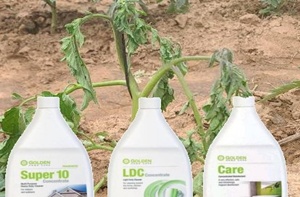
Tomato is the world's most widely grown vegetable crop, but Côte d'Ivoire's output falls far short of domestic demand, due to bacterial wilt (Ralstonia solanacearum) and bacterial spot (Xanthomonas campestris), against which synthetic pesticides remain ineffective. We tested three anionic detergents (Care, LDC, Super 10) and three essential oils (clove, fenugreek, black cumin) in vitro against strains from diseased tomato plants near Daloa. Strains were identified by macroscopic, microscopic and Gram-staining methods and tested by disc diffusion (three doses for detergents, two for oils), with inhibition recorded over eight days. All six treatments significantly reduced growth of both strains. Black cumin oil (200 mL/L) and Care (133 mL/L) gave the strongest inhibition against R. solanacearum, both reaching the plate's 8.5 cm, while LDC (500 mL/L) was most effective against X. campestris (8.25 cm). Notably, Care and black cumin oil grew less effective at the highest dose, unlike LDC and Super 10. These results suggest real potential for these products against tomato's two leading bacterial diseases in Côte d'Ivoire, pending molecular confirmation and field validation.
Keywords: Ralstonia solanacearum, Xanthomonas campestris, Biological control